
Last updated: June 2026. This article is reviewed quarterly.
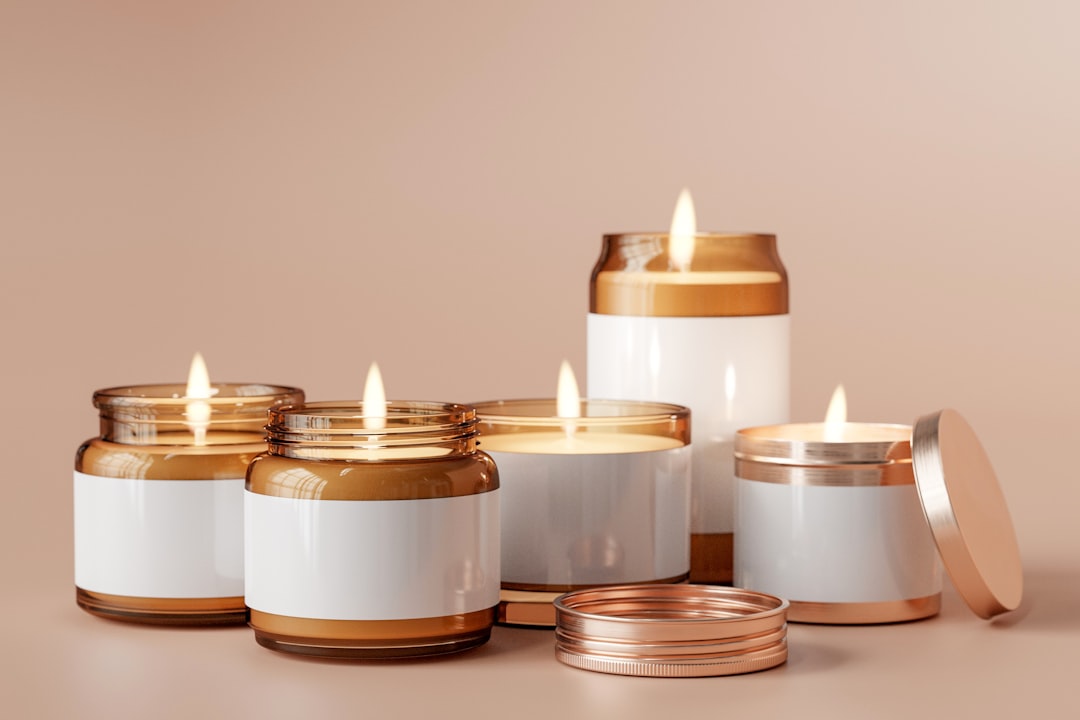
Burning a scented candle is one of the easiest ways to change the mood of a home. We buy them to relax, mask kitchen odors, or decorate dining tables. Yet, most consumers have no idea what they are burning in their living rooms.
A candle is a simple chemical engine. When you light the wick, liquid wax rises via capillary action and burns, vaporizing the fragrance oils dissolved inside. If the ingredients are low quality, this process releases soot and synthetic chemicals into your indoor air.
Understanding what is inside your candle container helps you make healthier buying choices.
The Foundation: Paraffin vs. Soy vs. Coconut Wax
The wax body accounts for roughly 90% of a candle’s mass. The material choice determines the melt profile, scent projection, and clean burning.
The three primary wax options used by candle makers are:
1. Paraffin Wax: A byproduct of petroleum refining. Paraffin holds scent well and throws fragrance strongly. However, it releases dark soot when burned, staining walls and releasing volatile compounds.
2. Soy Wax: Made from soybean oil. Soy wax burns cleaner than paraffin and lasts up to 50% longer. Because soy has a lower melting point, it pools slowly and projects fragrance gently.
3. Coconut and Beeswax: Premium, sustainable alternatives. Coconut wax throws fragrance exceptionally well and burns cool, while beeswax naturally purifies the air.
Avoid cheap candles that use blended labels like “soy blend” without listing percentages. These are usually 90% paraffin with just enough soy to legalise the marketing label.
Fragrance Chemistry: Synthetic vs. Essential Oils
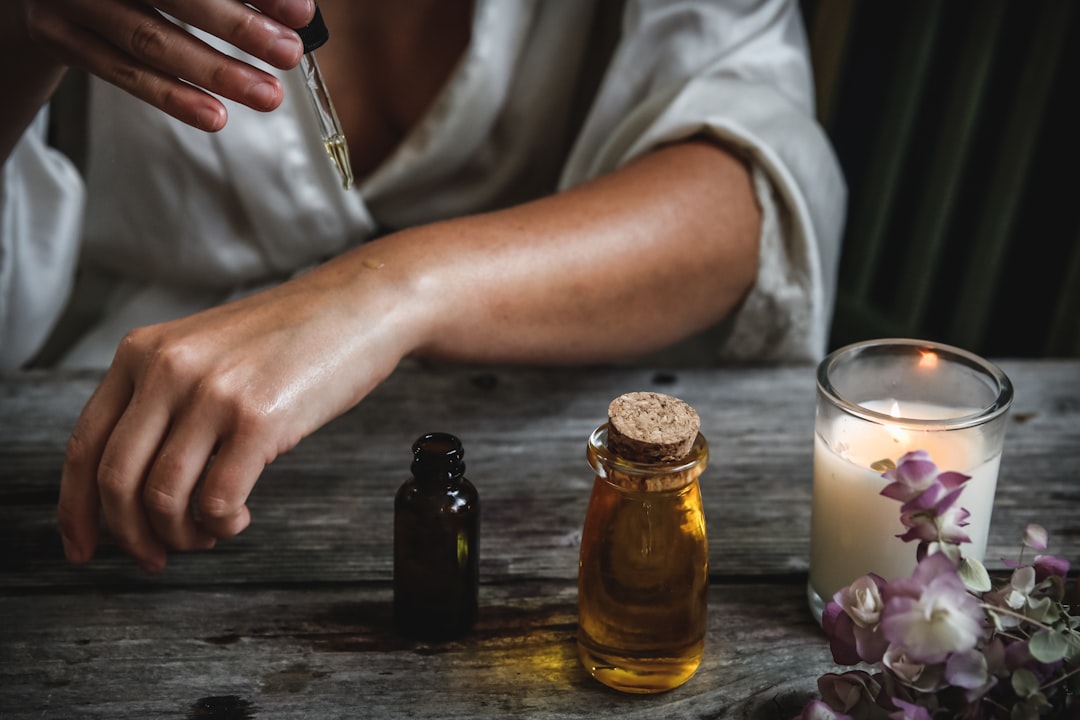
The scent is what makes a candle special. Candle makers use either natural essential oils or lab-created synthetic fragrance oils.
While essential oils sound healthier, they have limitations:
- Poor Heat Performance: Many essential oils break down at high temperatures, losing their aroma or smelling burnt.
- Limited Scent Variety: You cannot extract natural essential oils for scents like vanilla, peach, or leather.
To solve this, reputable candle makers use high-grade synthetic fragrance oils. These are formulated specifically to remain stable when exposed to an open flame.
A candle maker on a DIY home crafts forum discussed fragrance safety:
“The concern is not synthetic vs. natural, but chemical quality. Look for candles labeled ‘phthalate-free.’ Phthalates are plasticizers used to make scents last longer, but they release toxic particles when burned. High-quality synthetic fragrance oils are phthalate-free and completely safe to burn.”
Prioritizing phthalate-free labels protects your indoor air quality.
Wick Materials: Cotton, Paper, and Wood
The wick acts as the fuel pump of the candle. If the wick burns too fast, the flame drowns in liquid wax. If it burns too slowly, the wax tunnels down the center, leaving wasted fuel along the sides of the jar.
Evaluate these wick types:
- Braided Cotton Wicks: The standard choice. High-quality cotton wicks are coreless or contain paper threads to help them curl slightly as they burn, self-trimming the end.
- Wood Wicks: These make a crackling sound like a fireplace. Wood wicks throw scent quickly because they create a wider, hotter wax pool.
Avoid wicks with metal cores. Zinc or lead cores were used historically to keep wicks rigid, but they are banned in modern candles due to heavy metal inhalation risks.
Identifying Quality in the Candle Aisle
You do not need to buy luxury brands to get a clean burn.
Check these features when shopping:
- 100% Soy, Coconut, or Beeswax: Look for explicit declarations of wax composition.
- Cotton or Wood Wick: Verify no metal cores are present.
- Phthalate-Free Fragrance: Check the packaging or manufacturer’s website for chemical compliance.
By choosing non-petroleum waxes and phthalate-free scents, you can enjoy a beautifully scented home without compromising your health.
Why does my candle always burn a tunnel down the middle instead of melting all the way to the glass?
Hi Brandon! That’s called tunneling. It happens if you blow out the candle before the top layer of wax has melted completely to the edges on the very first burn. Always let a new candle burn for at least 2 hours to set the ‘wax memory!’