
Last updated: June 2026. This article is reviewed quarterly.

The price of sunglasses has detached from production costs. Walk into any department store, and you will see designer sunglasses priced between $200 and $450. The labels claim their lenses offer superior clarity and UV protection, justifying the cost.
However, industry data reveals a different reality. The vast majority of designer brands are licensed, designed, and manufactured by a single corporation. This monopoly markup means you are paying for licensing rights and brand placement, not optical engineering.
In fact, several independent brands selling polarized eyewear for $50 offer better optical performance than luxury options.
The Monopoly in Your Eyewear Case
Understanding why price does not equal quality in sunglasses requires looking at the supply chain. Luxottica, an Italian eyewear conglomerate, controls the design, manufacturing, and distribution of brands like Ray-Ban, Oakley, and Persol, alongside licensed eyewear lines for Chanel, Prada, and Versace.
Because the same factories produce both mid-tier and high-end frames, material differences are minimal. Most luxury sunglasses use basic acetate frames and injection-molded polycarbonate lenses that cost under $10 to manufacture.
Optical Clarity: Glass vs. Polycarbonate Lenses
The material of your lens dictates how clearly you see. Cheap fashion sunglasses use thin acrylic lenses that bend light unevenly, causing subtle eye strain over hours of wear.
The two high-quality lens materials are:
1. Mineral Glass Lenses: Glass offers the highest scratch resistance and optical clarity. Because light waves pass through glass without distortion, it provides the most natural view.
2. Polycarbonate Lenses: These are lightweight and impact-resistant, making them ideal for sports. However, they scratch easily unless treated with premium coatings.
Many $300 designer sunglasses use basic polycarbonate lenses with no scratch-resistant coating, while $60 independent brands often feature Japanese polarized TAC (Triacetate Cellulose) or glass lenses.
An optics expert on an outdoor gear forum clarified this difference:
“I run tests on lens distortion in my lab. Standard designer sunglasses fail optical clarity tests much more frequently than performance brands. You are paying $300 for a logo printed on a polycarbonate lens that performs identically to a $15 safety glass from a hardware store.”
This research shows that safety and clarity are not locked behind high price tags.
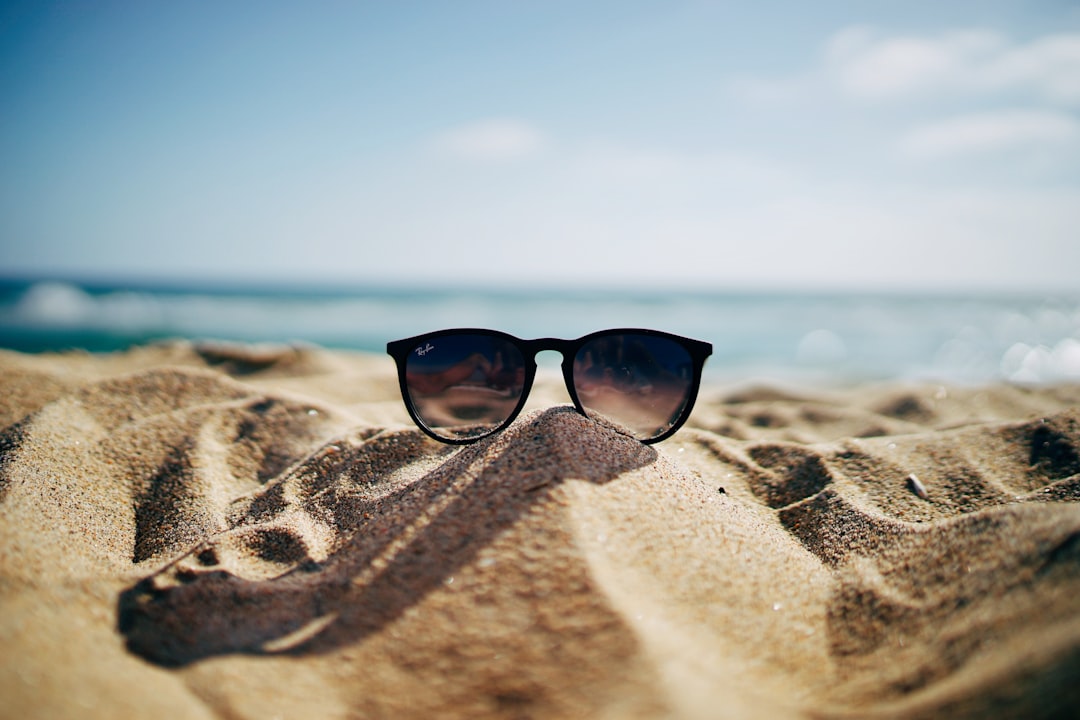
Polarization and Light Filtering
Polarization is a chemical film applied to a lens to block horizontal glare. Horizontal glare occurs when light reflects off flat surfaces like water, hoods of cars, or asphalt.
To evaluate polarization quality, look for these features:
- Embedded Polarized Films: Premium lenses sandwich the polarized film between layers of glass or polycarbonate. Cheap brands spray the film on the outside of the lens, where it rubs off after cleaning.
- Backside Anti-Reflective (AR) Coating: A quality lens features an AR coating on the inside of the glass. This prevents your own cheek’s reflection from bouncing back into your eye.
Designer fashion frames often skip AR coatings entirely, leading to uncomfortable glare when walking with the sun behind you.
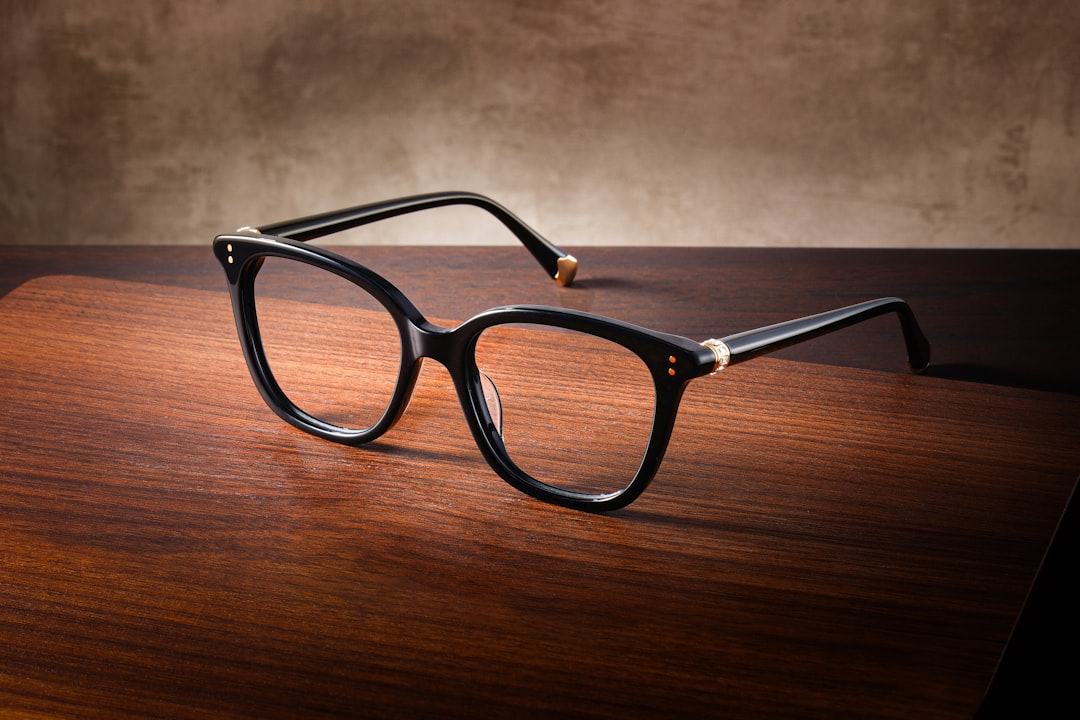
Smart Shopping: What to Look for Under $100
If you want the best optical protection without the brand premium, focus on product specifications rather than marketing terms.
Prioritize these details when shopping:
- UV400 Rating: This blocks 99% to 100% of UVA and UVB rays. This is a basic health requirement, not a premium feature.
- Glass Lenses: If you buy for driving or beach wear, look for mineral glass lenses (often listed by brands like Kaenon or Bajio).
- TR90 Frames: For active wear, choose TR90 thermoplastic frames. They are lighter and more flexible than standard acetate.
By ignoring brand logos and focusing on lens material, you can find high-performance eyewear that protects your vision for under $100.
Is polarization bad for looking at car dashboard screens or phone screens?
Hi Jessica! Yes, polarization blocks light at certain angles, which can make LCD screens look dark or show a rainbow pattern. For daily driving, it’s rarely an issue with modern screens, but it’s something to keep in mind!