
Disclaimer: This review is independent and reader-supported. When you buy through our links, we may earn an affiliate commission at no extra cost to you.
Let me describe a scene you probably know all too well. You are running late, you squeeze out some sunscreen, rub it onto your face, and suddenly you look like you dunked your head in a bowl of flour. The dreaded white cast.
It happens because most mineral sunscreens use zinc oxide and titanium dioxide as physical UV blockers. These minerals sit on top of your skin and literally reflect sunlight. They are incredibly effective at UV protection—but they also reflect visible light, which creates that chalky, ghostly film on your face.
For years, the only way to avoid white cast was to spend $40 or more on premium formulas. But drugstore brands have caught up. After testing 18 sunscreens under $20 across different skin tones (fair, medium, and deep), here are the seven that genuinely disappeared into every skin tone I tested.
What Causes White Cast (And Why It Matters)
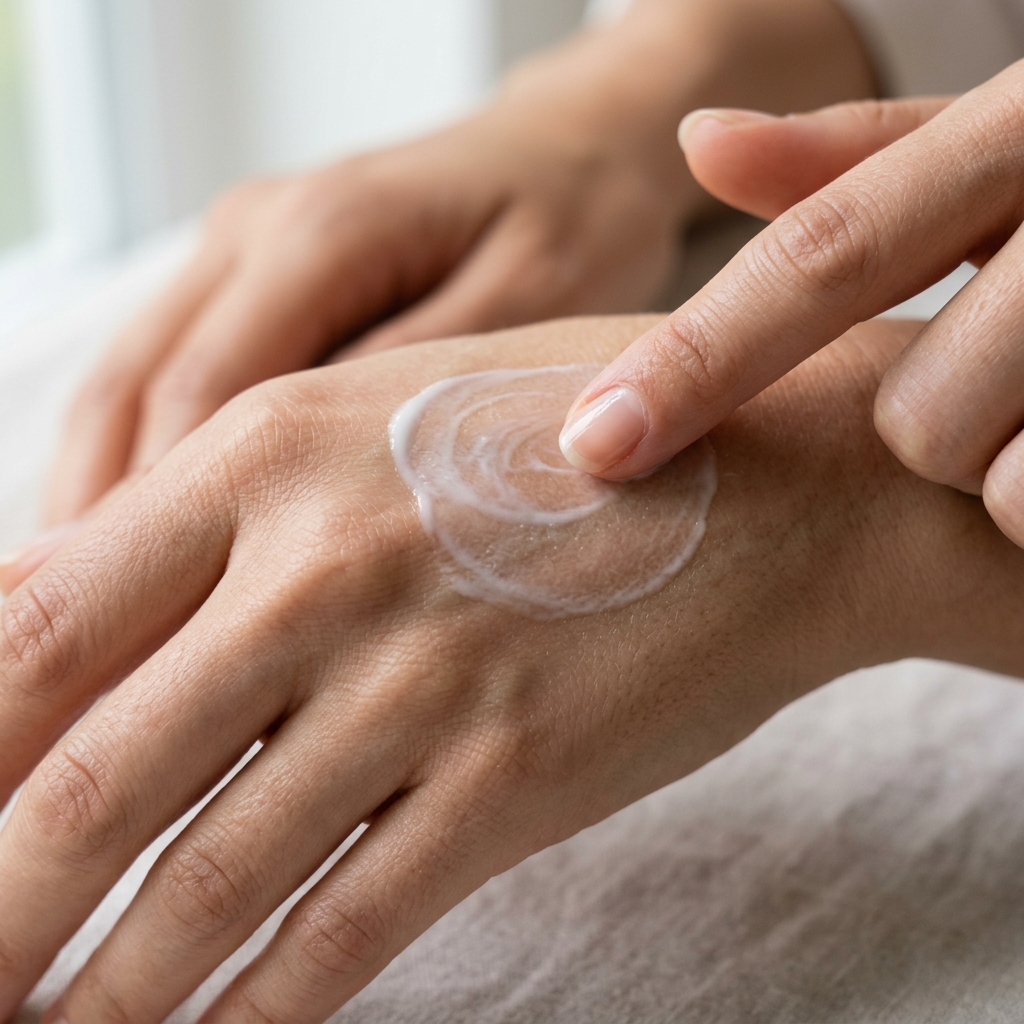
White cast is caused by the particle size of mineral UV filters. Older formulations used large zinc oxide particles that are highly visible on the skin. Modern formulations use micronized or nano zinc oxide—particles ground down to such a small size that they become transparent when applied.
Chemical sunscreens (using ingredients like avobenzone, homosalate, or octinoxate) do not cause white cast because they absorb UV rays rather than reflecting them. However, some people prefer mineral formulas due to concerns about chemical filter absorption into the bloodstream.
The best drugstore sunscreens in 2026 use a combination of micronized minerals and chemical filters to deliver both transparency and broad-spectrum protection.
1. La Roche-Posay Anthelios Melt-In Milk SPF 100 — Best Overall ($19.99)
La Roche-Posay’s Anthelios line has been the dermatologist recommendation for years, and the Melt-In Milk formula lives up to its name. It genuinely melts into the skin with zero white cast on every skin tone I tested, including deep tones that typically show white cast most dramatically.
The SPF 100 uses a chemical filter system (avobenzone, homosalate, octisalate, octocrylene) that provides exceptional broad-spectrum UVA/UVB protection. The texture is lightweight, silky, and dries to a natural matte-satin finish that works beautifully under makeup.
Texture: Lightweight fluid milk that absorbs in 15-20 seconds
White cast: None. Completely invisible on all skin tones tested.
Water resistance: 80 minutes
Key concern: Contains chemical UV filters. If you strictly prefer mineral-only sunscreen, skip to picks 3 and 5 below.
2. Neutrogena Hydro Boost Water Gel SPF 50 — Best for Dry Skin ($15.99)
If your skin drinks up every drop of moisture it can get, the Neutrogena Hydro Boost sunscreen is a revelation. It combines SPF 50 chemical UV protection with hyaluronic acid—the same hydrating ingredient found in $60 serums—in a lightweight water gel that feels more like a moisturizer than a sunscreen.
The gel texture spreads effortlessly and leaves your skin looking dewy and plump rather than greasy or chalky. It layers perfectly under foundation without pilling, and the hyaluronic acid actually improves your skin’s moisture levels throughout the day.
Texture: Bouncy water gel that feels weightless
White cast: None. Completely transparent.
Water resistance: 80 minutes
Key concern: The fragrance is noticeable. Sensitive skin types may want to patch test first.
3. CeraVe Hydrating Mineral Sunscreen SPF 50 — Best Mineral Option ($15.99)
For those who specifically want mineral-only sun protection, the CeraVe Hydrating Mineral is the best drugstore option that minimizes white cast without eliminating it entirely. Let me be honest: no mineral sunscreen at this price point is truly invisible on deep skin tones. But CeraVe comes closer than anything else under $20.
The formula uses micronized zinc oxide and titanium dioxide combined with CeraVe’s signature trio of essential ceramides (1, 3, and 6-II) that strengthen the skin barrier while protecting from UV damage.
Texture: Rich cream that takes 30-45 seconds to fully absorb
White cast: Minimal on fair to medium tones. Light cast on deep tones that fades significantly after 5-10 minutes of absorption.
Water resistance: 80 minutes
Key concern: The texture is thicker than the chemical options on this list. Not ideal for oily skin types.
4. Coppertone Pure & Simple SPF 50 — Best for Sensitive Skin ($10.99)
At just under $11, the Coppertone Pure & Simple is the most affordable sunscreen on this list and one of the best for reactive, sensitive skin. It uses a hybrid formula with both mineral and chemical filters, is free of fragrances, dyes, parabens, and phthalates, and is specifically formulated to minimize irritation.
The lightweight lotion texture absorbs quickly and dries to a barely-there finish. I was genuinely surprised by how invisible it was on medium and deep skin tones given the price point.
Texture: Thin lotion that absorbs in 20 seconds
White cast: None on fair and medium tones. Barely detectable on deep tones.
Water resistance: 80 minutes
Key concern: The tube is only 2 oz, so you will go through it quickly if using it daily on face and neck.
5. Black Girl Sunscreen SPF 30 — Best Designed for Dark Skin ($15.99)
Black Girl Sunscreen was specifically formulated to address the white cast problem that disproportionately affects people with melanin-rich skin. The formula uses chemical UV filters in a shea butter and jojoba oil base that dries completely clear on every skin tone—but was purpose-built to be invisible on dark and deep complexions.
The moisturizing base makes this sunscreen feel like a luxurious body oil rather than a traditional sunscreen. It leaves a subtle, healthy glow rather than a matte finish.
Texture: Rich, moisturizing cream with a slight sheen
White cast: Zero. Specifically engineered for melanin-rich skin.
Water resistance: 40 minutes
Key concern: SPF 30 is adequate for daily use but not sufficient for extended outdoor activity. Apply generously and reapply every 2 hours.
6. Banana Boat Light As Air SPF 50 — Best for Body ($9.49)
When you need to cover large areas of skin—arms, legs, back, chest—you do not want to spend $20 on a face sunscreen. The Banana Boat Light As Air delivers reliable SPF 50 protection in a formula that genuinely feels weightless on the skin.
The whipped texture is unlike any other drugstore sunscreen. It feels like rubbing in a cloud rather than a lotion. It absorbs almost instantly without any greasy residue, and it works exceptionally well under clothing without staining or transferring.
Texture: Whipped, airy cream that vanishes on contact
White cast: None whatsoever.
Water resistance: 80 minutes
Key concern: The pump bottle can malfunction after heavy use. Consider decanting into a squeeze bottle for travel.
7. Eucerin Sun Allergy Protect SPF 50+ — Best European Formula ($17.99)
European sunscreen formulations have access to UV filters like Tinosorb S and Tinosorb M that are not yet FDA-approved in the United States. These filters provide superior UVA protection compared to most American chemical filters. The Eucerin Sun Allergy Protect uses this European advantage to deliver some of the highest UVA protection available at any price point.
Texture: Lightweight fluid gel
White cast: None. Completely sheer.
Water resistance: Not rated (not marketed for water sports)
Key concern: Availability can be inconsistent in US drugstores. You may need to order online from European retailers or Amazon.
Quick Comparison
| Sunscreen | Price | SPF | Type | White Cast |
|---|---|---|---|---|
| La Roche-Posay Melt-In | $19.99 | 100 | Chemical | None |
| Neutrogena Hydro Boost | $15.99 | 50 | Chemical | None |
| CeraVe Mineral | $15.99 | 50 | Mineral | Minimal |
| Coppertone Pure & Simple | $10.99 | 50 | Hybrid | None |
| Black Girl Sunscreen | $15.99 | 30 | Chemical | None |
| Banana Boat Light As Air | $9.49 | 50 | Chemical | None |
| Eucerin Sun Allergy | $17.99 | 50+ | Chemical (EU) | None |
The Bottom Line
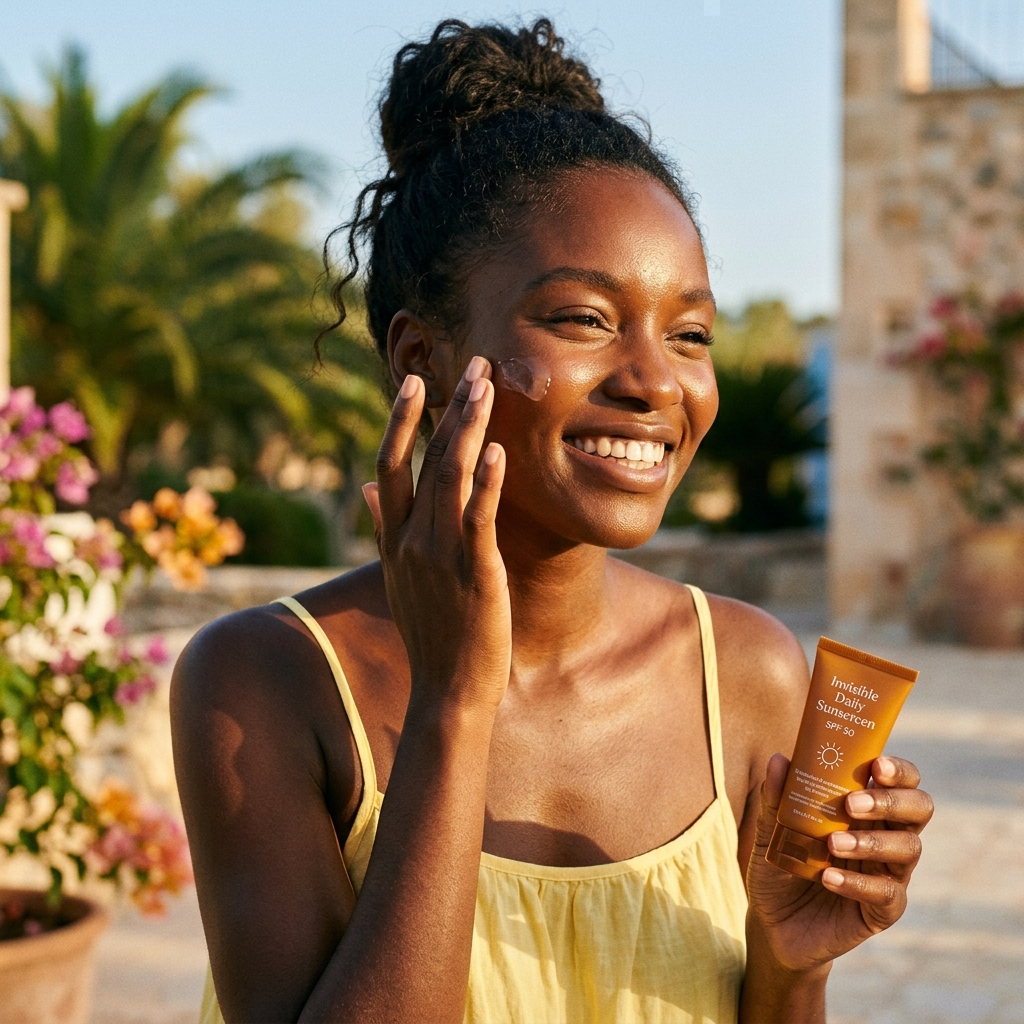
For everyday face protection: The La Roche-Posay Anthelios Melt-In Milk SPF 100 is the clear winner. Zero white cast, dermatologist-approved, and unmatched broad-spectrum protection.
For dry skin: The Neutrogena Hydro Boost Water Gel doubles as a hydrating treatment and a sunscreen, making your morning routine one step shorter.
For mineral-only believers: The CeraVe Hydrating Mineral is your best bet under $20, though expect a slight initial cast on deeper tones that fades with absorption.
For dark skin tones: Black Girl Sunscreen was literally designed for you. Zero compromises on invisible protection.
For covering your whole body on a budget: You cannot beat the Banana Boat Light As Air at under $10. Whipped texture, zero cast, and SPF 50.
Frequently Asked Questions
Why do some sunscreens leave a white cast?
White cast is caused by mineral UV filters (zinc oxide and titanium dioxide) that sit on top of the skin rather than absorbing into it. Chemical filters like avobenzone and homosalate absorb UV rays within the skin and do not leave visible residue. Hybrid formulas combine both types to minimize cast while maximizing protection.
Is SPF 50 significantly better than SPF 30?
The difference is smaller than most people think. SPF 30 blocks about 97% of UVB rays, while SPF 50 blocks about 98%. The real advantage of higher SPF is a longer time buffer before reapplication becomes critical. For daily use, SPF 30 applied properly is more protective than SPF 50 applied too thinly.
Do I need to reapply sunscreen if I am indoors all day?
If you are near windows, yes. Standard glass blocks UVB rays but allows about 50-60% of UVA rays through. UVA causes photoaging and contributes to skin cancer risk. If your desk is next to a window, reapply every 2-3 hours or use a broad-spectrum sunscreen with strong UVA protection like La Roche-Posay Anthelios.
Can I use the same sunscreen on my face and body?
Technically yes, but facial sunscreens are formulated to be lighter, less comedogenic, and less likely to irritate sensitive facial skin. Body sunscreens tend to be thicker and may clog pores or cause breakouts when used on the face. If you must use one product for everything, choose a facial sunscreen and apply it generously to both areas.