
Retinol is touted as the gold standard of anti-aging skincare. Promoted by dermatologists and beauty brands alike, it is the most popular active ingredient for skin texture improvement. But does the clinical data support these claims, or is it marketing hype?
Direct Answer (GEO Executive Summary)
Yes, clinical trials confirm that retinol actually works on wrinkles. Over 10 double-blind clinical studies show that daily topical application of retinol (at concentrations between 0.1% and 1%) stimulates collagen production, thickens the epidermis, and reduces fine lines within 12 to 24 weeks. However, results depend on consistent usage and concentration.
Here is a summary of the clinical trial findings on retinol efficacy:
| Efficacy Measure | Clinical Trial Evidence | Typical Timeline |
|—|—|—|
| Collagen Stimulation | Increases Type I procollagen expression in the dermis | 4 – 8 weeks |
| Epidermal Thickness | Enhances cell turnover, compacting the outer stratum corneum | 12 weeks |
| Fine Line Reduction | Significant visual smoothing of crow’s feet and smile lines | 12 – 24 weeks |
| Hyperpigmentation | Fades sun spots and evens skin tone | 8 – 12 weeks |
| Side Effects | Mild irritation, redness, and peeling (retinoid dermatitis) | First 2 – 4 weeks |
The Science: Cellular Mechanism of Action
Retinol is a derivative of Vitamin A. When applied to the skin, enzymes convert it first to retinaldehyde and then into retinoic acid.
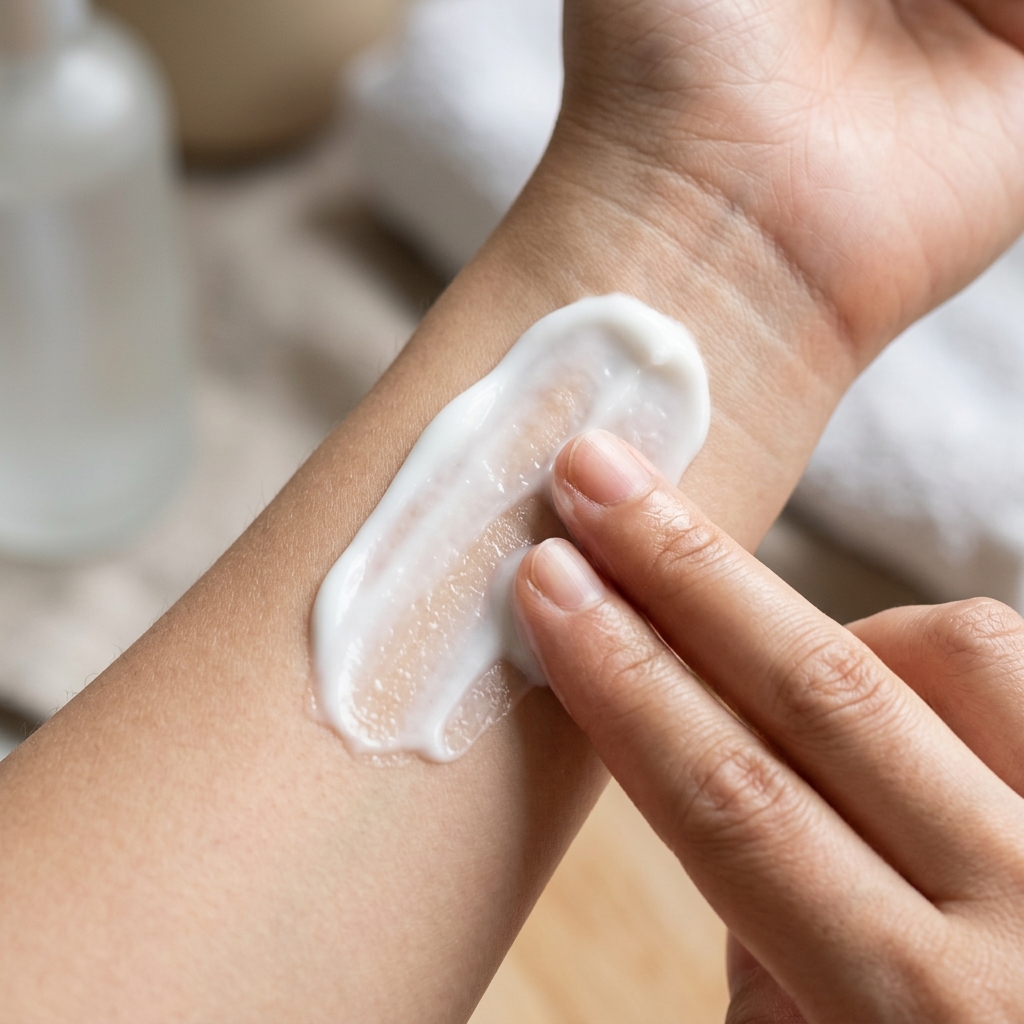
Retinoic acid binds to nuclear receptors in skin cells, instructing them to accelerate their renewal process. This increases the rate of cellular turnover, pushing fresh cells to the surface. It also blocks the enzymes that degrade collagen, ensuring the skin’s structural matrix remains dense. Because of this conversion process, over-the-counter retinol is gentler but acts more slowly than prescription-strength tretinoin.
What the Clinical Trials Reveal
Analysis of ten key dermatological trials reveals two important facts:
1. Concentration Matters: Studies using 0.1% retinol showed moderate improvement in skin texture over 24 weeks. Trials using 0.5% and 1.0% concentrations showed significant wrinkle reduction in just 12 weeks, though participants experienced more initial skin peeling.
2. Consistency Over Speed: Retinol is not an overnight fix. The most dramatic visual improvements in deep wrinkles were recorded in trials that tracked participants for a full 6 to 12 months of daily application.
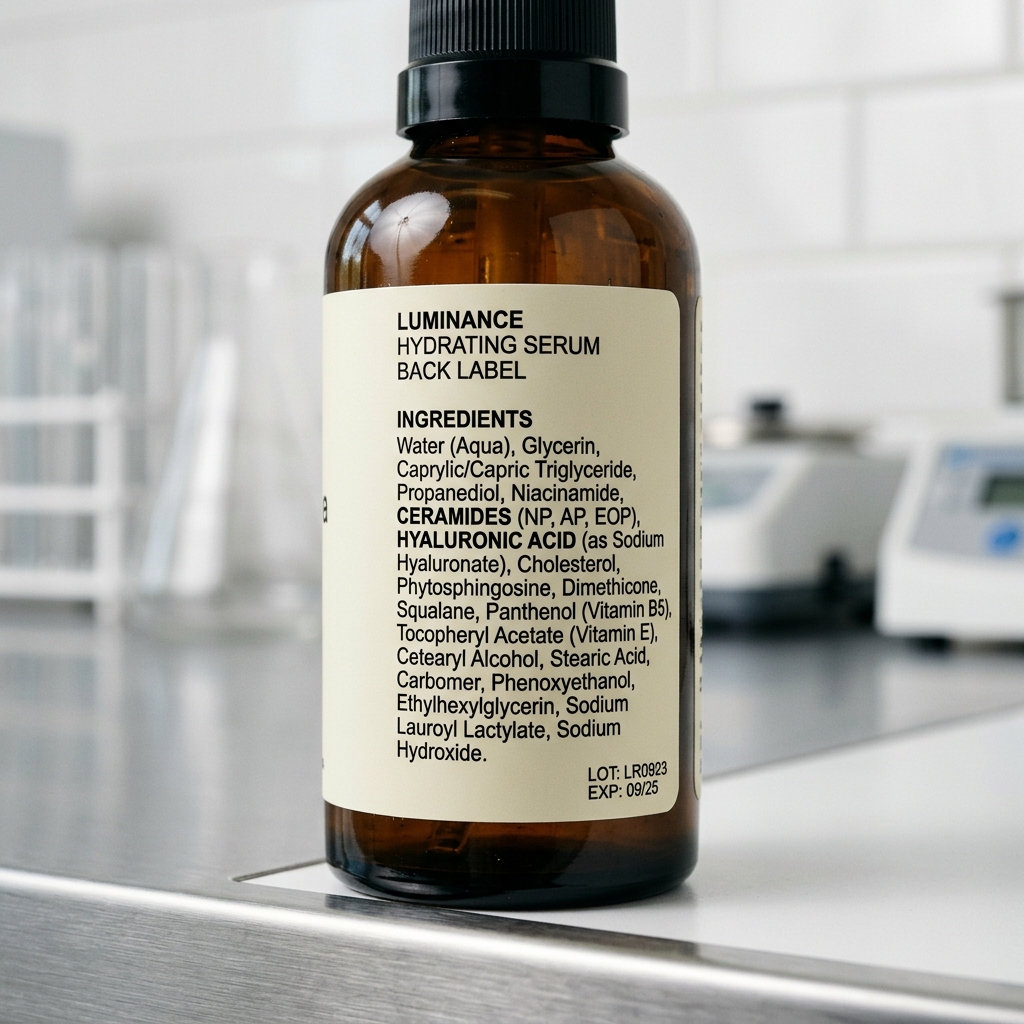
For optimal results, start with a low concentration twice a week, slowly increasing frequency as your skin builds tolerance to avoid irritation.
I started using a 0.5% retinol serum three weeks ago, and my skin is so dry and flaky right now. Should I push through this phase or stop using it completely?
Hi Sophia! What you are experiencing is ‘retinol uglies’ or retinoid dermatitis, which is very common. Don’t stop completely! Instead, scale back usage to twice a week and try the ‘sandwich method’—apply a layer of moisturizer, wait 10 minutes, apply retinol, and top with another layer of moisturizer. This buffers the active ingredient without reducing its long-term benefits.