
Disclosure: This post may contain affiliate links. We earn a small commission if you purchase through our links, at no extra cost to you. We only recommend products we genuinely believe in.
Last updated: May 2026. This article is reviewed quarterly.
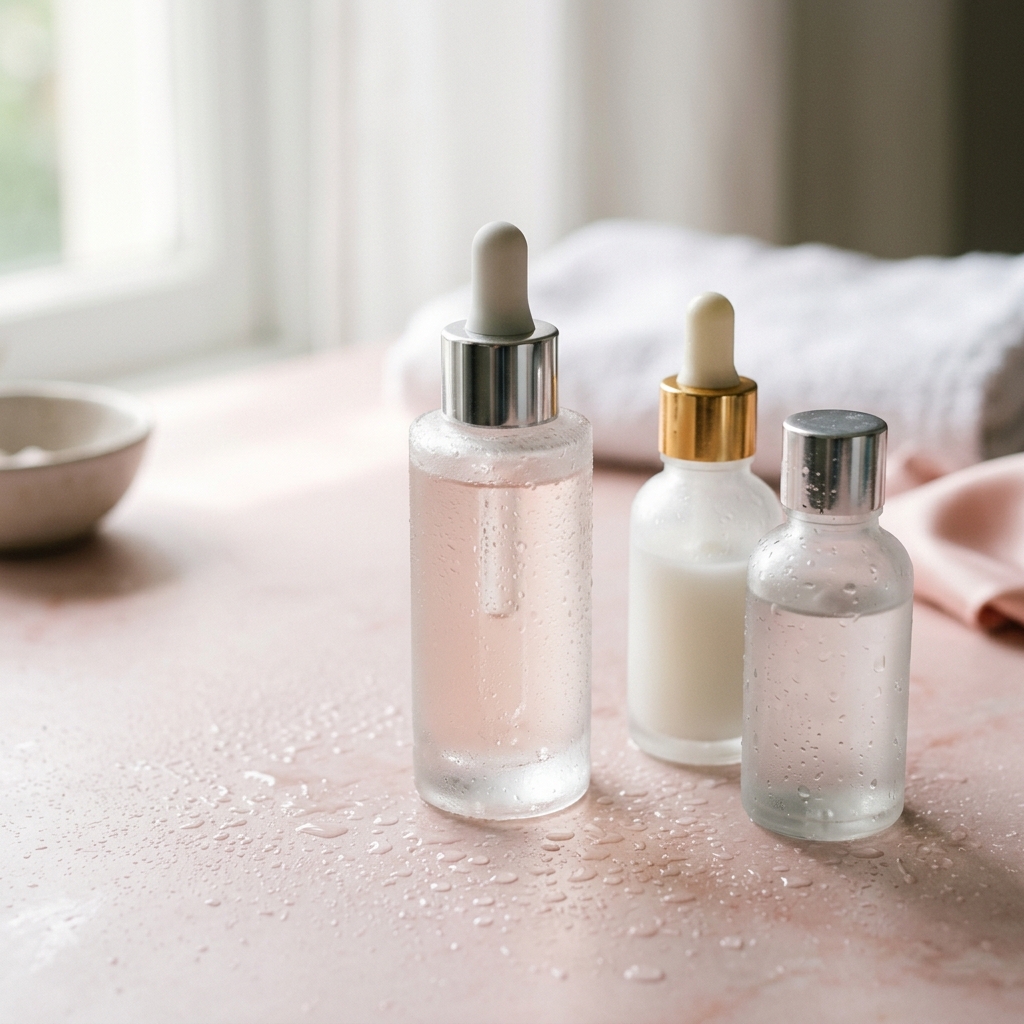
Walking down the beauty aisle can be an overwhelming experience. With brands launching a constant stream of high-performance serums, active acids, toners, and moisturizers, it is easy to accumulate a complex multi-step skincare routine. But buying the best products is only half the battle.
If you do not apply your skincare products in the correct order, you are likely wasting your hard-earned money.
Applying products in the wrong sequence can render active ingredients completely useless, cause them to “pill” (ball up on the skin’s surface), or, worse, trigger severe irritation, redness, and breakouts by compromising your skin barrier.
How do you organize your routine for maximum efficacy and safety?
In this comprehensive, dermatologist-backed guide, we will break down the exact layering order for both your morning and nighttime routines, explaining the science behind why consistency matters, and showing you how to lock in maximum hydration using reliable barrier-repair staples from CeraVe.
—
The Golden Rule of Layering: Thinnest to Thickest
Before getting into specific ingredients, there is one universal rule that applies to all skincare routines: always apply your products from the thinnest consistency to the thickest consistency.
Why?
Thin, water-based products (like toners and watery serums) have small molecular structures designed to penetrate deep into the skin’s layers.
If you apply a thick, heavy cream or a face oil first, you create an occlusive, oil-based barrier over your skin. Any thin, water-based product applied on top will simply sit on that barrier and evaporate, unable to penetrate the thick layer beneath.
By starting with your most lightweight, watery formulas and progressively building up to your densest creams, you ensure every single drop of active ingredient is absorbed efficiently where it can do the most work.
—
The Morning Routine: Protection & Hydration
Your morning skincare routine is all about protection.
During the day, your skin is under constant attack from environmental stressors—UV radiation, air pollution, free radicals, and air conditioning. Your morning steps should shield and defend your skin.
Here is the exact morning sequence:
Step 1: Cleanser (Cleanse)
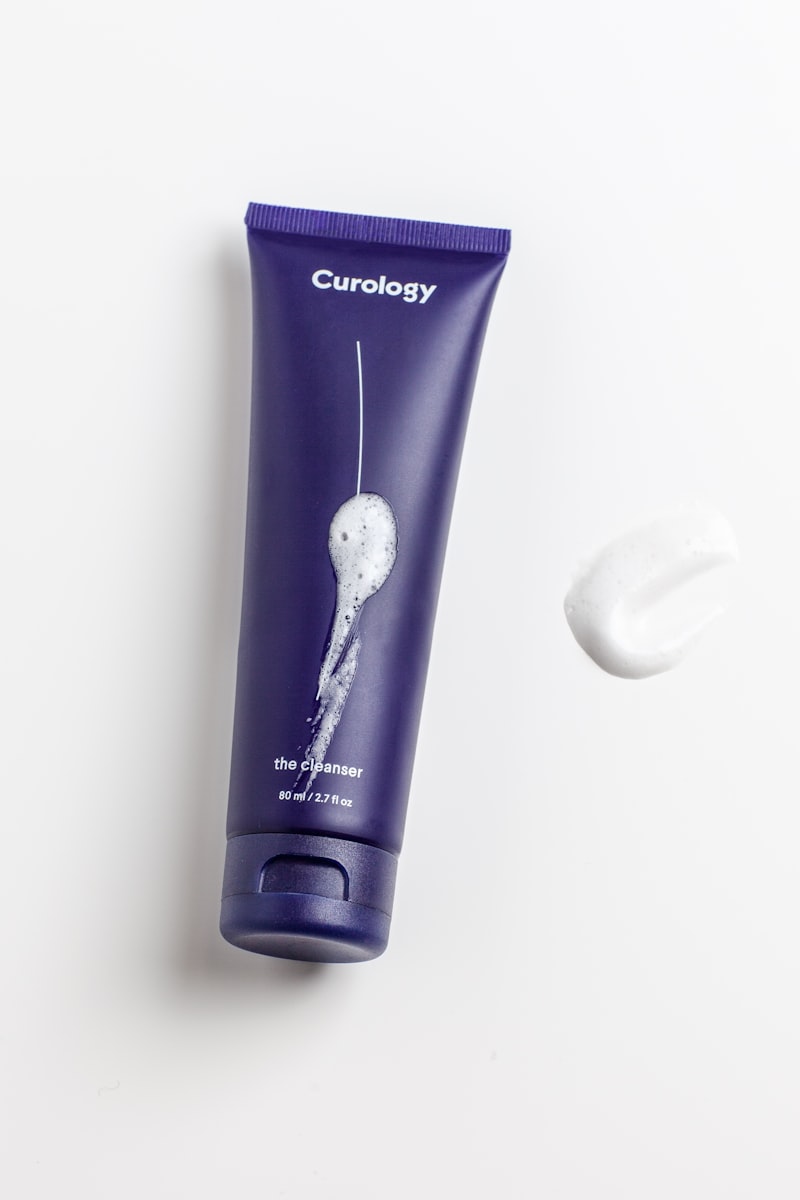
Start with a gentle, non-stripping cleanser like the CeraVe Hydrating Facial Cleanser.
You do not want to strip away the natural lipids your skin produced overnight. A gentle cleanse removes sweat and any leftover nighttime products, preparing a clean canvas for your day formulas.
Step 2: Toner / Essence (Optional)
If you use a hydrating toner, apply it immediately after cleansing while your skin is still damp.
This helps prep the skin and acts as a humectant to draw in subsequent moisture.
Step 3: Vitamin C & Antioxidants (Prevent)
Vitamin C is the gold standard for morning care.
It is a powerful antioxidant that neutralizes free radicals caused by pollution and UV light, brightens hyperpigmentation, and boosts collagen production. Apply your Vitamin C serum first so it has direct contact with clean skin.
Step 4: Hyaluronic Acid / Hydrating Serums (Hydrate)
Once your antioxidant serum has absorbed, apply your hydrating serums.
Hyaluronic acid is a moisture-binding humectant that can hold up to 1,000 times its weight in water.
Critical Tip: Always apply hyaluronic acid to damp skin. If your skin is bone dry, hyaluronic acid will actually draw moisture out of the deeper layers of your skin, leaving you more dehydrated. Mist your face with water before applying.
Step 5: Moisturizer (Seal)
Lock in all that hydration with a lightweight morning moisturizer, such as the CeraVe AM Facial Moisturizing Lotion.
Formulated with essential ceramides and hyaluronic acid, it repairs the skin barrier while keeping your face comfortable throughout the day.
Step 6: Sunscreen / SPF (Shield)
This is the most critical step in your entire routine.
Never skip sunscreen.
UV radiation is responsible for 90% of premature skin aging and skin cancers. Apply a broad-spectrum SPF 30 or higher as the absolute final step before makeup. If you skip sunscreen, all the expensive anti-aging serums you applied before are essentially useless.
—
The Nighttime Routine: Repair & Regeneration
Your nighttime routine is all about repair.
While you sleep, your body enters a regenerative state—increasing blood flow to the skin, repairing cellular damage, and rebuilding collagen. This is the optimal time to use powerful active ingredients like retinoids and exfoliating acids.
Here is the exact nighttime sequence:
Step 1: Double Cleanse (Remove)
If you wear makeup or sunscreen, a single wash won’t cut it.
Start with an oil-based cleanser or micellar water to break down sebum, makeup, and waterproof SPF. Follow up with your water-based cleanser (like CeraVe Hydrating Cleanser) to wash away the remaining residue.
Step 2: Exfoliants (AHA/BHA) OR Retinol (Treat — Never Layer Together!)
This is the treatment step.
* Exfoliating Acids (AHAs like Glycolic/Lactic Acid or BHAs like Salicylic Acid): These sweep away dead skin cells and clear out pores. Use them 2-3 nights a week.
* Retinol / Retinoids: The ultimate anti-aging molecule that accelerates skin cell turnover, reduces fine lines, and treats acne.
CRITICAL WARNING: Never layer exfoliating acids and retinol on top of each other in the same routine. Combining them will destroy your skin barrier, causing severe peeling, burning, and irritation. Instead, alternate nights—use your exfoliating acid on Monday, and your retinol on Tuesday.
When applying retinol, ensure your skin is completely dry.
Unlike hyaluronic acid, applying retinol to damp skin increases its penetration speed to a dangerous degree, significantly increasing the risk of severe irritation and redness.
Step 3: Hyaluronic Acid / Barrier Serums (Soothe)
If your skin feels dry, apply a soothing, hydrating serum containing niacinamide or hyaluronic acid to calm the skin after active treatments.
Step 4: Night Cream / Moisturizer (Rebuild)
Apply a rich, nourishing night cream like the CeraVe PM Facial Moisturizing Lotion or CeraVe Moisturizing Cream.
Night creams are formulated to be richer and more occlusive, providing a steady supply of ceramides and lipids to rebuild your skin barrier overnight.
Step 5: Face Oil / Slugging (Occlude — Optional)
If you have extremely dry skin, you can apply a few drops of a non-comedogenic face oil (like squalane or rosehip oil) as the final step, or perform “slugging” by applying a thin layer of a petrolatum-based ointment (like CeraVe Healing Ointment) to lock in 99% of transepidermal water loss overnight.
—
Reddit’s Pro-Tip: The “Sandwich Method” for Sensitive Skin
If you have sensitive skin or are new to using strong retinoids, the standard nighttime layering order can sometimes be too aggressive.
To combat this, the skincare community on Reddit’s r/SkincareAddiction frequently recommends a technique known as the “Sandwich Method.”
“When I first started using prescription tretinoin (retinol), my skin was flaking like crazy, and everything burned. A user on Reddit suggested the sandwich method. After cleansing, I apply a thin layer of my CeraVe PM moisturizer, wait 10 minutes for it to dry, apply my pea-sized dot of retinoid, wait another 5 minutes, and then put another layer of CeraVe on top. It completely stopped the flaking and irritation, and my skin still cleared up beautifully. It is a total lifesaver for sensitive skin!” — r/SkincareAddiction
This sandwiching technique creates a protective, ceramide-rich buffer that slows down the absorption rate of the retinoid, allowing your skin to tolerate the active ingredient without experiencing severe side effects.

—
Skincare Layering Cheat Sheet
To keep your vanity organized, follow this simple reference guide:
| Routine | Order | Step Name | Key CeraVe Recommendation | Purpose |
| :— | :— | :— | :— | :— |
| Morning (AM) | 1 | Cleanse | CeraVe Hydrating Cleanser | Prep skin, remove sweat |
| | 2 | Prevent | Vitamin C Serum | Neutralize free radicals, brighten |
| | 3 | Hydrate | Hyaluronic Acid | Draw moisture into cells |
| | 4 | Seal | CeraVe AM Lotion | Support skin barrier |
| | 5 | Shield | Broad Spectrum Sunscreen | Prevent UV aging and damage |
| Night (PM) | 1 | Double Cleanse | Micellar Water + CeraVe Cleanser | Remove makeup, SPF, and oil |
| | 2 | Treat | Retinol OR AHA/BHA (Alternate) | Accelerate turnover, clear pores |
| | 3 | Soothe | Niacinamide Serum | Calming, anti-inflammatory |
| | 4 | Rebuild | CeraVe PM Lotion or Cream | Lock in moisture, rebuild ceramides |
—
Summary Action Steps
* Follow the rule: Always apply products from thinnest (watery) to thickest (creamy/oily).
* Divide and conquer: Keep your protective antioxidants (Vitamin C) in the morning, and your active treatments (Retinol, Glycolic Acid) at night.
* Never mix actives: Avoid layering multiple strong acids or retinoids together. Alternate nights to protect your skin barrier.
* Damp vs. Dry: Apply Hyaluronic Acid to damp skin to boost hydration, but apply Retinol to bone-dry skin to prevent irritation.
By respecting the chemical properties of your skincare products and applying them in the correct biological sequence, you can unlock the absolute maximum power of your active ingredients, ensuring a radiant, healthy, and perfectly balanced complexion.
—
FAQ
Q: How long should I wait between applying different skincare steps?
A: For the vast majority of hydrating and protective steps, you do not need to wait. You can apply them immediately after one another while the skin is still receptive. However, when applying active treatments like Retinol or exfoliating acids, it is recommended to wait 5 to 10 minutes before and after application to ensure the skin is dry, which minimizes the risk of irritation and prevents the products from mixing and neutralizing each other.
Q: Why is my skincare rolling or “pilling” off my face?
A: Pilling occurs when products do not absorb correctly and ball up on the surface. This is usually caused by: (1) applying products in the wrong order, (2) using too much product, or (3) mixing incompatible bases (such as applying a silicone-heavy makeup primer directly over a water-based serum without letting the serum dry first). To prevent pilling, stick to the thinnest-to-thickest rule and give each layer a moment to sink in.
Q: Can I use CeraVe Moisturizing Cream on my face?
A: Yes. While the CeraVe Moisturizing Cream (commonly known as “CeraVe in the tub”) is marketed as a body cream, it is non-comedogenic (meaning it won’t clog pores) and is highly loved by dermatologists and skincare enthusiasts as a rich, deeply nourishing night cream for dry or sensitive facial skin. If you have oily or acne-prone skin, however, you may prefer the lighter CeraVe PM Lotion.
This routine layout is so clear and easy to follow! I have oily but dehydrated skin. I’m currently using a hyaluronic acid serum and a niacinamide serum. Should I apply the hyaluronic acid on damp skin first, and then layer the niacinamide directly on top, or do I need to wait for the HA to dry completely? I get confused about the water-based layering rules.
Hi Elena! You’re actually spot-on with your products—HA and niacinamide are a dream team for dehydrated, oily skin! Always apply your hyaluronic acid on damp skin first (it needs that moisture to plump up your skin). Then, you don’t need to wait for it to dry completely—just let it sink in for about 30 seconds until it feels slightly tacky, then pat the niacinamide serum right on top. This helps the niacinamide lock in that hydration without any product pilling. x — Sophia