
Last updated: May 2026. This article is reviewed quarterly.
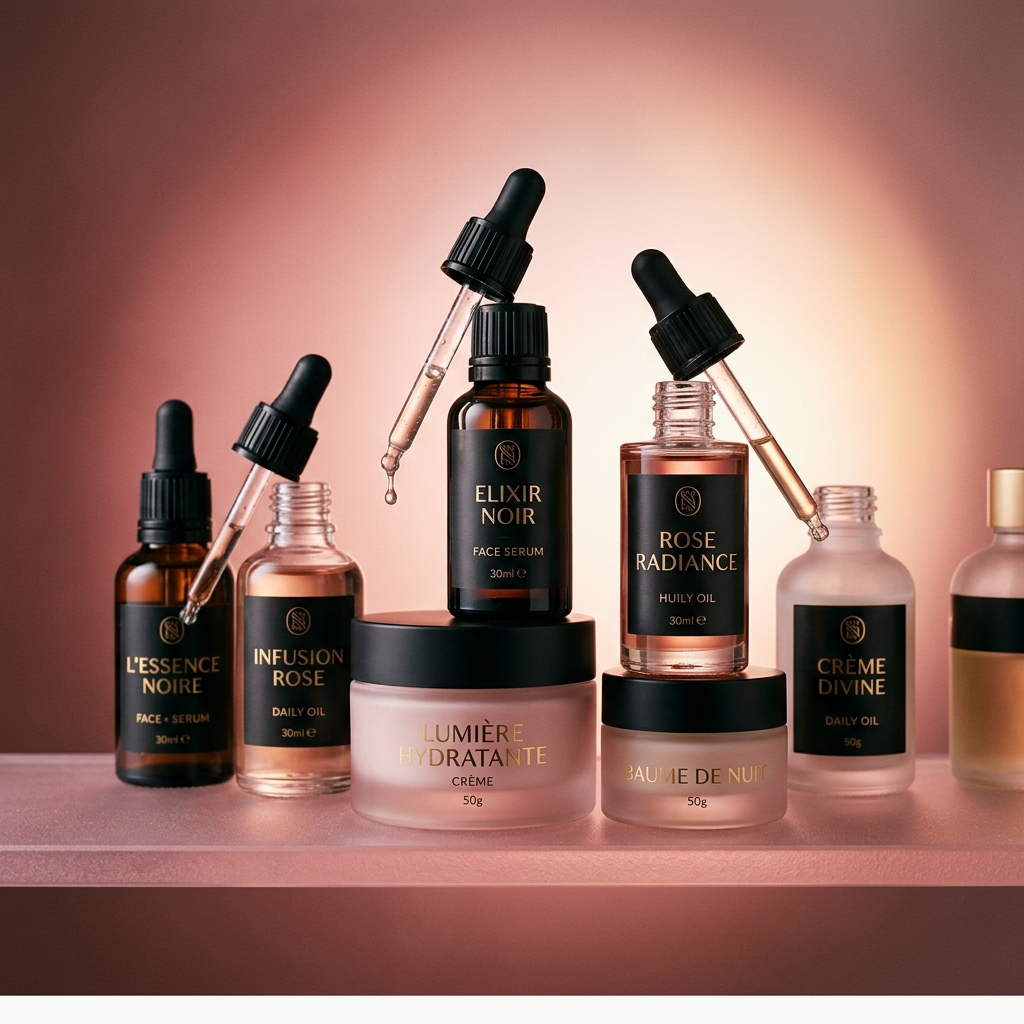
Walking down the beauty aisle of any major store can feel overwhelming. There are hyaluronic acid boosters, niacinamide serums, retinol oils, peptide creams, and multi-step toners. In search of healthy, glowing skin, many of us buy these specialized bottles, eager to see their promised benefits.
However, if you do not apply your skincare products in the correct sequence, you are likely wasting your hard-earned money.
In my six years as a licensed esthetician and beauty writer, the most common mistake I see is not the choice of products, but the order of application. Skincare is rooted in chemistry and physics. Applying a thick, lipid-rich oil before a water-soluble serum creates an impenetrable barrier, blocking the active ingredients from ever reaching your living skin cells.
To ensure every drop of your skincare routine actually absorbs and delivers results, you must understand the rules of molecular weight, pH levels, and how to structure your morning and night regimens.
The Golden Rule: Thinnest to Thickest Consistency
If you remember nothing else from this guide, memorize this fundamental rule: always layer your products from the thinnest consistency to the thickest.
Think of your skin like a dry sponge. If you pour water on a sponge, it absorbs instantly. If you coat the sponge in olive oil first, the water will bead up and roll off.
In skincare, water-based products with a small molecular size (like liquid toners and watery essences) must go on the skin first. They penetrate deeply and prepare the skin barrier.
As you move through your routine, you gradually transition to denser, oil-rich formulas (like heavy moisturizers and facial oils). These larger molecules sit closer to the surface of the skin, forming an occlusive seal that locks in the hydration beneath.
If you reverse this order—applying a heavy face cream first and then patting a liquid serum on top—the serum’s active ingredients will simply sit on top of the cream barrier and evaporate into the air.
The Morning Routine: Protection and Prevention
Your daytime routine has one main objective: protection.
During the day, your skin faces environmental aggressors like ultraviolet (UV) radiation, smog, dust, and free radicals. The morning sequence is designed to hydrate, neutralize these threats, and seal the skin behind a reliable shield of sun protection.
Here is the exact step-by-step morning sequence:
Step 1: Cleanser (Gentle and Hydrating)
Start with a mild, non-stripping cleanser (like CeraVe Hydrating Cleanser or La Roche-Posay Toleriane). You do not need to scrub away your natural oils in the morning; you simply want to wash off any sweat, dust, or residual evening products. If you have extremely dry skin, a simple rinse with lukewarm water is often sufficient.
Step 2: Toner or Essence (Hydration Prep)
Apply a lightweight, hydrating toner or essence while your skin is still damp. Look for ingredients like glycerin, aloe vera, or green tea extract. This step replenishes immediate moisture and acts like a wet pathway, allowing the subsequent serums to glide on and absorb much more efficiently.
Step 3: Vitamin C or Antioxidant Serums (Defense)
Vitamin C is a powerful antioxidant that neutralizes free radicals caused by UV exposure, boosts collagen production, and brightens dark spots. Because Vitamin C is highly reactive, it needs to sit close to the clean skin surface to work effectively. Apply your L-ascorbic acid serum directly after your toner has dried slightly.
Step 4: Hyaluronic Acid or Hydrating Serums (Plumping)
Hyaluronic acid is a humectant that draws water into the skin, holding up to 1,000 times its weight in moisture. Layering this over your Vitamin C helps plump up fine lines and ensures your skin barrier remains bouncy and hydrated throughout the day.
Step 5: Moisturizer (Sealing)
Even if you have oily skin, a lightweight moisturizer (like a gel-cream or a light lotion) is essential. It reinforces your lipid barrier, preventing moisture from escaping via trans-epidermal water loss (TEWL).
Step 6: Sunscreen (SPF 30+)
Sunscreen is the absolute most important step of your morning routine. If you skip SPF, the rest of your anti-aging skincare routine is essentially useless. Apply a generous amount of a broad-spectrum sunscreen (mineral or chemical) as the final step. Let it dry completely for 5 to 10 minutes before applying any makeup.
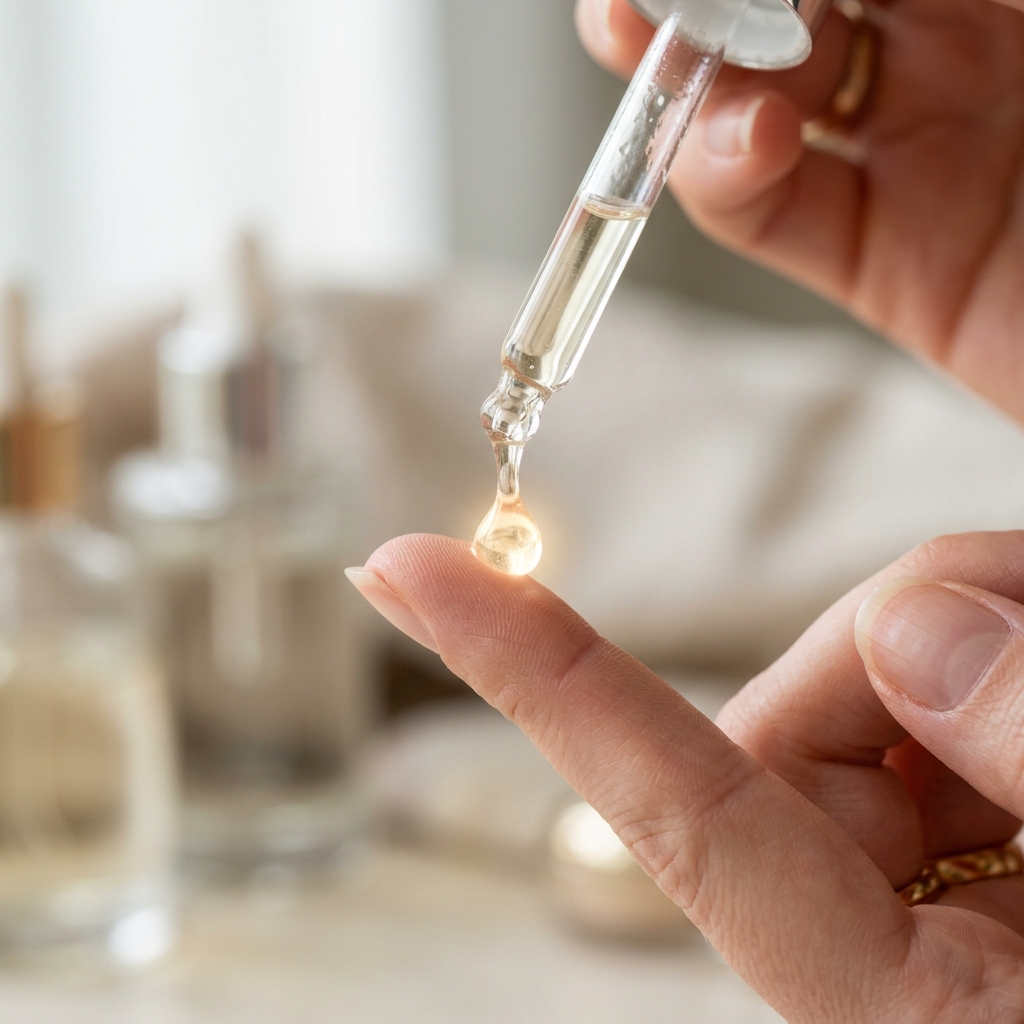
The Night Routine: Repair and Renewal
When you sleep, your body enters a state of cellular repair and regeneration. Your nighttime routine should focus on repair and active treatment.
At night, you can use stronger active ingredients (like retinoids or exfoliating acids) that make your skin sensitive to sunlight. It is also the perfect time to use richer, more nourishing creams to heal your skin barrier.
Here is the exact step-by-step evening sequence:
Step 1: The Double Cleanse (Removal)
If you wear makeup or sunscreen during the day, a single water-based cleanse is not enough. You must practice double cleansing:
- Part 1: Use a lipid-soluble cleanser (an oil-based cleanser, balm, or micellar water) to break down sebum, heavy makeup, and silicone-based sunscreens.
- Part 2: Follow immediately with your regular gentle water-based cleanser to wash away the dissolved grime and clean the actual skin surface.
Step 2: Toner or Essence (Hydration Prep)
Just like in the morning, pat a hydrating toner onto damp skin to prepare it for active treatments.
Step 3: Actives (Retinol, Exfoliating Acids, or Treatments)
This is where your target treatments occur. To prevent irritation, pick one active category per night:
- Retinoids (Retinol, Retinal, or Tretinoin): The gold standard for anti-aging and acne control. Retinol speeds up skin cell turnover. Always apply it to completely dry skin, as dampness can speed up absorption too much and cause redness or peeling.
- Chemical Exfoliants (AHAs like Glycolic or Lactic Acid, BHAs like Salicylic Acid): These dissolve the dead skin glue on the surface, revealing smoother skin. Use these 2 to 3 times a week, avoiding nights when you use retinol.
Step 4: Nourishing Serums (Peptides, Niacinamide)
If you use a lightweight serum with barrier-supporting ingredients like niacinamide, ceramides, or peptides, apply it after your active treatment has settled for a few minutes. These ingredients work to soothe the skin and reduce any potential irritation from your retinoid.
Step 5: Evening Moisturizer or Night Cream (Barrier Repair)
At night, pick a richer cream containing ceramides, fatty acids, and cholesterol. This formula mimics your skin’s natural lipid structure, healing micro-damage while you sleep.
Step 6: Face Oil or Occlusive Balms (Optional “Slugging”)
If you have extremely dry or compromised skin, you can apply a few drops of a non-comedogenic face oil (like rosehip or jojoba oil) or a thin layer of an occlusive ointment (like Vaseline or Aquaphor, a practice known as “slugging”) as the final step. This acts as an absolute seal, forcing all the hydration to stay locked inside your skin overnight.
The Esthetician’s Diagnostic: Spotting the “Oil Block” Mistake
When I consult with clients who complain that their expensive serums are not working, I always check their layering habits first. One conversation with a regular client, Sarah, perfectly illustrates the physical reality of this science:
“Sarah came to me frustrated because her $80 hydrating serum was leaving her skin feeling dry and tight. After walking through her routine, I discovered she was applying a botanical face oil immediately after cleansing, followed by the water-based serum, and then her moisturizer.
She believed the oil was ‘softening’ her skin for the serum. In reality, the oil was coating her skin cells like a rain jacket. The expensive water-based serum was simply pooling on top of the oil layer, unable to penetrate, and eventually evaporating. Once we moved the oil to the very end of her routine, her skin’s moisture levels doubled within a single week.”
This diagnostic shows that the physics of formulation matter just as much as the quality of the ingredients. Chemistry rules the skin barrier, and we must work alongside it.
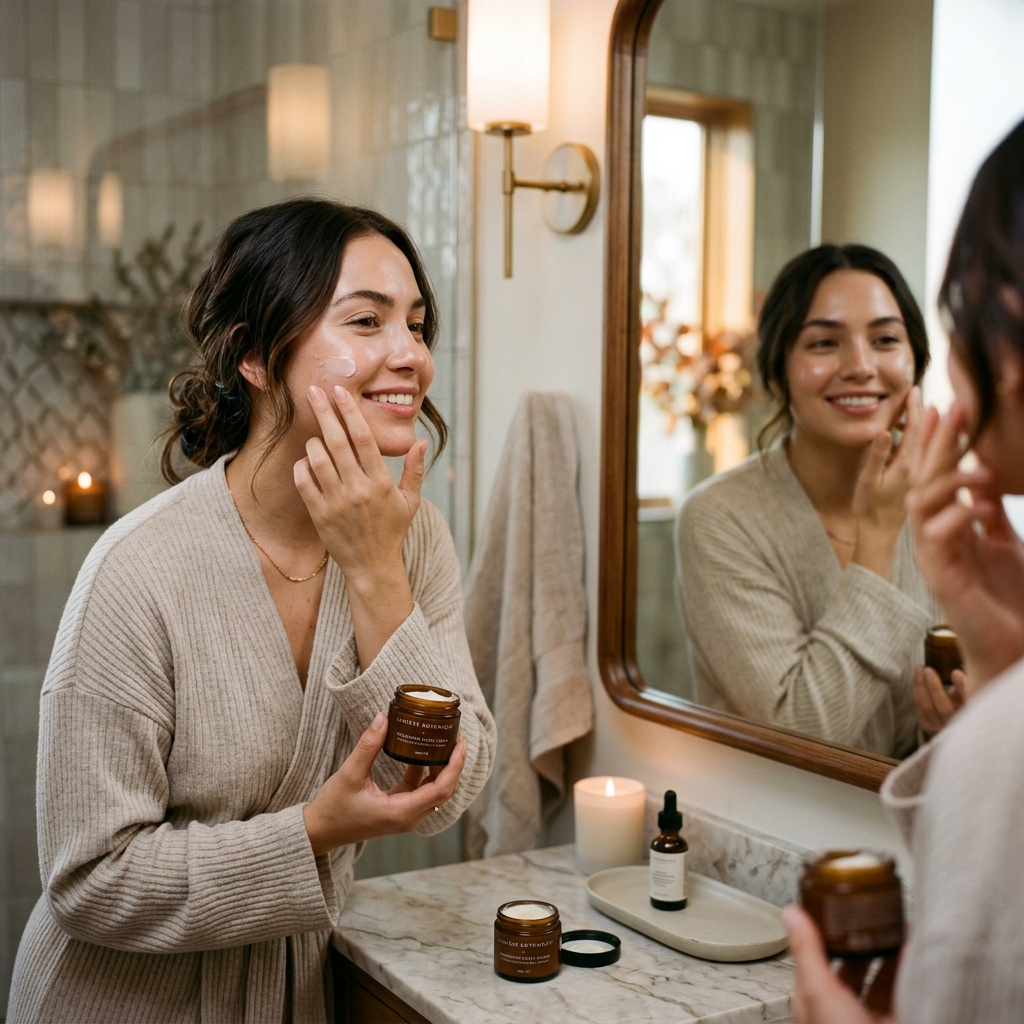
Crucial Tips for Flawless Layering
To make the most of your structured routine, keep these three expert rules in mind:
1. Wait Between Layers (The Absorption Pause)
Do not rush through your steps. Give each product about 30 to 60 seconds to absorb before moving to the next. This prevents the products from mixing on the surface of your face, which can cause “pilling”—that frustrating phenomenon where your products ball up into tiny white flakes.
2. Watch out for Ingredient Conflicts
Certain active ingredients should never be applied at the same time:
- Retinol + Vitamin C: Vitamin C requires an acidic pH (around 3.0 to 3.5), while Retinol works best in a neutral pH (around 5.5 to 6.0). Mixing them neutralizes both. Use Vitamin C in the morning and Retinol at night.
- Retinol + AHA/BHA: Using chemical exfoliants alongside retinoids can easily overwhelm the skin, causing severe barrier damage, flaking, and redness. Space them out on alternate nights.
3. Damp vs. Dry Skin Application
Products containing humectants (like hyaluronic acid and glycerin) must be applied to damp skin to draw that water into the skin barrier. Conversely, active treatments like Retinol or Salicylic Acid should be applied to completely dry skin to control their penetration rate and prevent irritation.
The Bottom Line
A premium skincare routine does not need to consist of ten steps or cost hundreds of dollars. By understanding the simple rule of Thinnest to Thickest Consistency and keeping your protective steps in the morning and repair steps at night, you can unlock the full potential of every drop in your vanity. Work with your skin’s natural chemistry, and your skin will reward you with a healthy, glowing barrier.
What does your current skincare sequence look like? Have you been accidentally making the oil-block mistake, or have you found a layering order that works perfectly for your skin? Let us know in the comments below!
I have super sensitive skin and have been hesitant about trying product. Does this particular this brand formula contain any synthetic fragrances or drying alcohols that might trigger rosacea? I’d love to hear from anyone with a similar skin type!
Hey Elena! I completely understand your hesitation. The gentle formulas we compared—especially Vanicream and Cetaphil—are completely free of synthetic fragrances and drying simple alcohols (like SD alcohol or alcohol denat). Vanicream is particularly excellent for rosacea because it also excludes common masking fragrances, parabens, and lanolin. If your skin is highly reactive, definitely start with Vanicream! x — Sophia