
Disclosure: This post may contain affiliate links. We earn a small commission if you purchase through our links, at no extra cost to you. We only recommend products we genuinely believe in.
Last updated: May 2026. This article is reviewed quarterly.
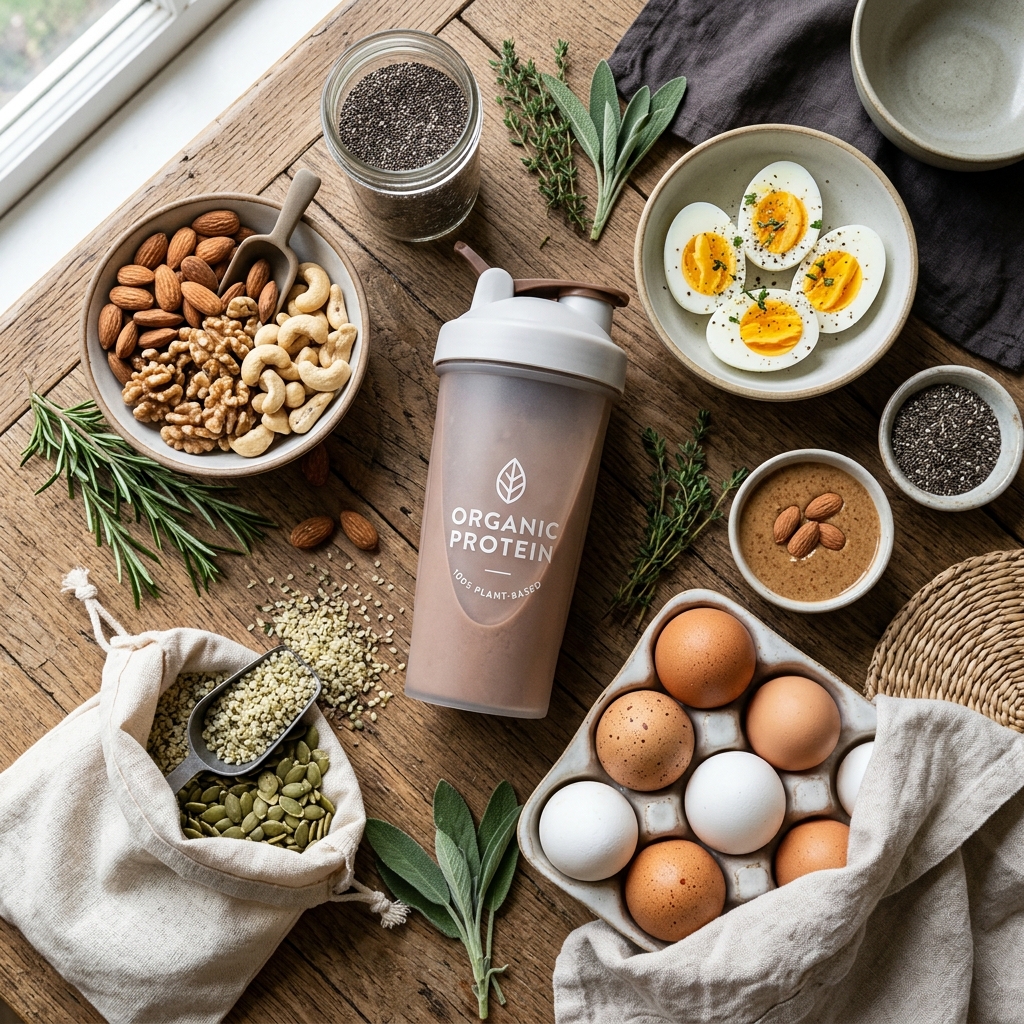
In the fitness and wellness world, no macronutrient receives more attention than protein. Browse any social media platform, and you will find fitness influencers showcasing massive high-protein meals and demanding you consume huge quantities of protein if you want to lose fat, build muscle, or just maintain a healthy body. This has created a booming market for high-protein products—from protein-infused water to protein cereal.
But below the marketing and “bro-science,” what does the actual scientific research say?
Does the average person going to the gym three times a week really need to consume a massive amount of protein, or are they just creating expensive urine and putting unnecessary strain on their bank account?
In this comprehensive, evidence-based guide, we look at the clinical literature and sports nutrition guidelines to determine exactly how much protein your body needs based on your unique goals, activity level, and lifestyle—featuring clean insights on how to hit your targets with quality whole foods and premium supplements like Optimum Nutrition.
—
The RDA vs. Optimal Intake: Understanding the Gap
To understand how much protein you need, we must first address a massive source of confusion: the Recommended Dietary Allowance (RDA).
According to government health organizations, the RDA for protein is a modest 0.8 grams per kilogram of body weight (g/kg), which translates to about 0.36 grams per pound (g/lb).
For a 150-pound (68 kg) adult, this means consuming just 54 grams of protein per day.
However, it is critical to understand what the RDA actually represents.
The RDA is not the optimal amount of protein for health, muscle retention, or fat loss.
Instead, the RDA is defined as the minimum amount of protein required to prevent basic nutritional deficiency and nitrogen wasting in a sedentary adult.
It is the floor, not the ceiling.
If you are active, trying to lose weight, or aging, consuming only the RDA will lead to a slow loss of muscle mass, decreased metabolic health, and poorer recovery.
—
Active Individuals and Weightlifters: The Scientific Consensus
If you engage in regular resistance training, running, or any sport, your protein needs are significantly higher than those of a sedentary adult. Physical exercise damages muscle fibers at the microscopic level, and dietary protein is the source of amino acids required to repair and rebuild those fibers stronger.
For active individuals, the global scientific consensus is clear.
The International Society of Sports Nutrition (ISSN) and the American College of Sports Medicine (ACSM) recommend a daily protein intake of 1.4 to 2.0 grams per kilogram of body weight (0.6 to 0.9 g/lb) to support muscle protein synthesis, recovery, and hypertrophy.
Let’s look at what the clinical data tells us about where the benefits plateau:
* The Threshold of Diminishing Returns (1.6 g/kg): Numerous meta-analyses, including a landmark study published by Dr. Rob Morton and colleagues, show that for the vast majority of people lifting weights, muscle-building benefits plateau at approximately 1.62 g/kg (0.73 g/lb). Consuming more than this does not lead to faster muscle growth under normal circumstances.
* The Safe Upper Buffer (2.2 g/kg): While 1.6 g/kg is the scientific plateau, many athletes and trainers aim for 2.2 g/kg (1.0 g/lb). This “1 gram per pound” rule is highly popular in fitness circles because it is incredibly easy to calculate and track, providing a safe buffer that guarantees your body has all the amino acids it could possibly use.
Here is a typical discussion point shared by sports scientists on Reddit’s r/ScientificNutrition community:
“The ‘1g per lb’ rule is slightly higher than what clinical trials show is strictly necessary for muscle growth, which usually tops out around 0.73g/lb. However, aiming for 1g/lb is practically harmless, extremely easy to remember, and serves as an excellent safety net. When you are in a fat-loss phase, that extra protein actually becomes highly beneficial for preserving muscle and keeping hunger at bay.”
—
The Fat Loss Exception: Why Calorie Deficits Demand More Protein
The rules change when you are actively trying to lose weight by restricting calories.
When your body is in a calorie deficit, it is forced to burn stored tissues for energy.
Without sufficient dietary protein and resistance training, your body will break down highly active muscle tissue alongside fat.
To prevent this muscle loss, research shows that you must increase your protein intake.
During a cut, studies suggest aiming for 1.8 to 2.7 grams per kilogram (0.8 to 1.2 g/lb) of body weight.
The more aggressive your calorie deficit and the leaner you currently are, the higher your protein intake should be to protect your hard-earned muscle.
Furthermore, protein has a high thermic effect of food (TEF).
Your body consumes about 20% to 30% of the energy contained in protein just to digest, process, and absorb it—compared to only 5% to 15% for carbohydrates and 0% to 3% for fats.
Protein is also the most satiating macronutrient, keeping you feeling full for longer, which makes adhering to a calorie deficit significantly easier.
—
Sourcing Your Protein: Whole Foods and Supplements
To hit these daily targets, your foundation should always be high-quality whole foods.
However, busy lifestyles can make preparing multiple high-protein meals challenging, which is where premium protein powders become highly valuable.
High-Quality Whole Food Sources
* Animal Proteins (Complete): Chicken breast, turkey, lean beef, wild-caught salmon, eggs, and Greek yogurt contain all nine essential amino acids in highly bioavailable proportions.
* Plant Proteins (Incomplete/Complementary): Lentils, chickpeas, tofu, tempeh, hemp seeds, and quinoa. Plant-based eaters should consume a diverse variety of these foods to ensure they get a complete amino acid profile.
The Role of Quality Supplements
When you need a clean, fast-digesting, and highly convenient source of protein, whey isolate or high-quality plant-based protein powders are incredibly helpful.
A single scoop of a premium powder like Optimum Nutrition Gold Standard Whey provides 24 grams of complete protein with minimal fat and carbohydrates, making it easy to hit your daily goals without overconsuming total calories.
Whether you mix it into a morning smoothie, shake it up post-workout, or stir it into oatmeal, high-quality supplements offer a cost-effective, clinically verified way to support your physical recovery and muscle health.
—
Protein Intake Guidelines by Goal
To make this actionable, look up your goal and body weight in our quick reference guide:
| Activity Level / Goal | Daily Protein Target (Metric) | Daily Protein Target (Imperial) | Example: 150 lb (68 kg) Adult |
| :— | :— | :— | :— |
| Sedentary / Basic Health | 0.8 g / kg | 0.36 g / lb | 54 grams / day |
| Active Lifestyle / Running | 1.2 – 1.6 g / kg | 0.55 – 0.73 g / lb | 82 – 110 grams / day |
| Muscle Building / Lifting | 1.6 – 2.2 g / kg | 0.73 – 1.0 g / lb | 110 – 150 grams / day |
| Fat Loss (Calorie Deficit) | 1.8 – 2.4 g / kg | 0.82 – 1.1 g / lb | 123 – 165 grams / day |
—
Action Plan for Optimizing Your Protein Intake
To optimize your daily nutrition, follow this simple, evidence-based plan:
* Calculate your target: Use the table above to find your ideal daily protein range based on your current weight and goals.
* Prioritize breakfast: Many people consume very little protein at breakfast, then back-load their intake at dinner. Research shows that spreading protein evenly (aiming for 30g+ per meal) maximizes muscle protein synthesis throughout the day.
* Fill the gaps: Use whole foods for your main meals, and use a premium supplement like Optimum Nutrition to quickly fill any remaining gaps in your daily target.
* Stay hydrated: When consuming a higher-protein diet, ensure you drink plenty of water to help your kidneys efficiently process nitrogen waste.
By cutting through the commercial noise and basing your diet on verified sports science, you can fuel your body effectively, accelerate your physical progress, and avoid spending money on unnecessary nutritional excesses.
—
FAQ
Q: Can consuming too much protein damage my kidneys?
A: For individuals with healthy, normal kidney function, scientific research has repeatedly shown that a high-protein diet (even up to 3.3 g/kg/day) does not cause kidney damage. Your kidneys are highly resilient and adapt easily to processing nitrogen. However, if you have pre-existing chronic kidney disease (CKD), a high-protein diet is not recommended, and you must consult your physician to establish a safe daily limit.
Q: Is plant protein as effective as whey protein for building muscle?
A: Yes, but you have to be slightly more mindful. Whey protein is naturally rich in leucine, the key amino acid that triggers muscle protein synthesis. Most individual plant proteins (like pea or rice) have lower leucine contents and less complete amino acid profiles. However, if you use a high-quality plant-based protein blend that combines multiple sources, or consume about 10% to 20% more total plant protein to compensate for the lower digestibility, plant protein is highly effective.
Q: Does the body only absorb 30 grams of protein per meal?
A: No, this is a common myth. Your body will eventually absorb virtually 100% of the amino acids you consume; it just takes longer to digest larger meals. However, there is a limit to how much muscle protein synthesis can be stimulated in a single sitting (often called the “muscle full” effect, which is around 30 to 40 grams for most adults). Consuming 80 grams of protein in one meal won’t go to waste—it will be used for other structural, enzymatic, and metabolic needs, or converted into energy.
Thank you for cutting through the fitness myths with actual science! I try to hit my daily goals, but standard whey protein has always caused me bloating and discomfort. If I transition to plant-based pea protein alternatives, will the absorption still be sufficient, or do I need to compensate by eating more? Thanks!
Hey Elena! Yes, pea protein is incredibly gentle on the stomach! Just keep in mind that plant proteins have a slightly lower biological value than whey, so you might want to aim for an extra 5-10 grams per day to ensure optimal absorption. Look for a pea and brown rice blend to get a complete amino acid profile! x — Sophia