
Last updated: June 2026. This article is reviewed quarterly.
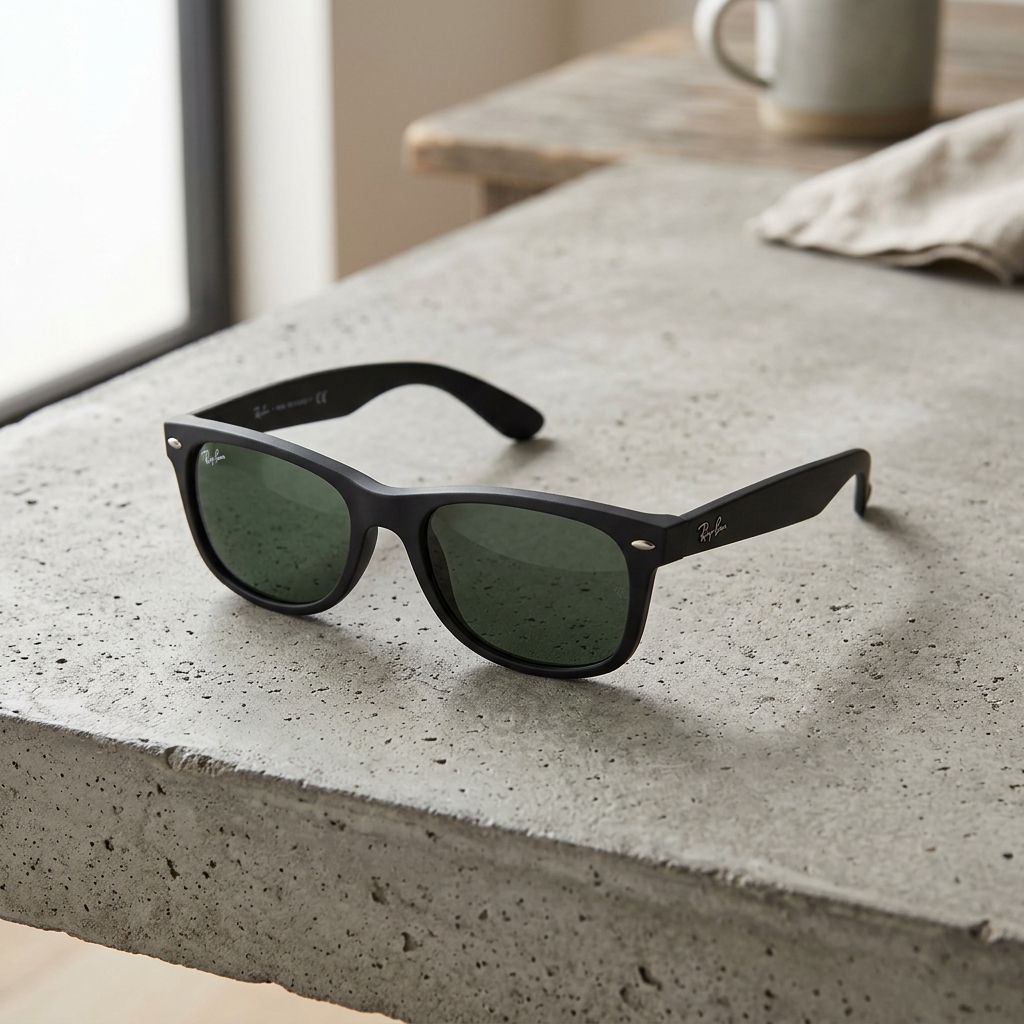
When buying sunglasses, the goal is often simple: find a style that looks good on everyone and survives daily wear. For decades, the Ray-Ban Wayfarer has been the default answer. Worn by rock stars, actors, and presidents, the classic frame is arguably the most famous eyewear design in history.
Yet, many who purchase the iconic Original Wayfarer (RB2140) end up returning them. The reason is a aggressive forward tilt that forces the frames to rest on the cheeks, letting sunlight leak in from above.
To solve this, Ray-Ban introduced the New Wayfarer (RB2132). Purists initially criticized the redesign for losing the retro edge of the original. However, it has quietly become the more popular choice for daily wear.
Our fashion editor James Chen tested the New Wayfarer over a month of driving, hiking, and casual wear. Here is our hands-on review.
—
Technical Specifications: New vs. Original Wayfarer
Let’s look at the specifications of the New Wayfarer compared to the Original.
| Feature | New Wayfarer (RB2132) | Original Wayfarer (RB2140) |
| :— | :— | :— |
| Retail Price | $150.00 to $210.00 (varies by lens type) | $163.00 to $223.00 |
| Frame Material | Injected Lightweight Nylon | Hand-cut Acetate |
| Lens Options | G-15 Glass, Polarized Polycarbonate | G-15 Glass, Polarized Glass |
| Tilt Angle | Minimal, sits flush to face | Significant (Pantoscopic tilt) |
| Silhouette | Softer, rounded, shorter lens height | Angular, aggressive, taller lens |
The transition from acetate to injected nylon makes the New Wayfarer significantly lighter. While acetate feels more substantial, nylon offers flexibility and heat resistance, preventing the frames from warping if left on a hot car dashboard.
—
The Pantoscopic Tilt: A Critical Comfort Upgrade
The key difference between the two models lies in the ergonomics of the frame.
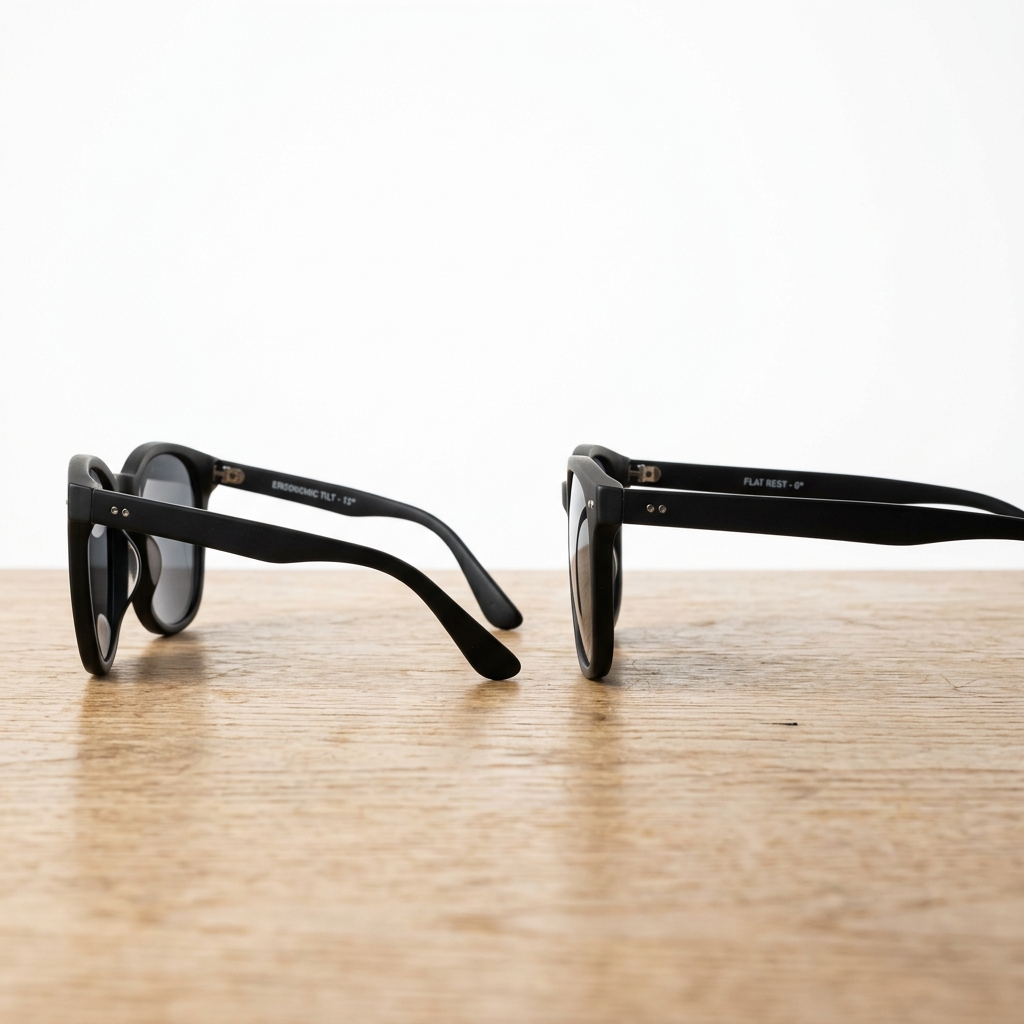
The Original Wayfarer has a severe forward slant known as pantoscopic tilt. This angle was originally designed to prevent glare from hitting the eyes from the side when looking down. However, on modern faces, it causes the bottom rim of the glasses to sit directly on the cheekbones, causing discomfort when smiling or talking, and leaving a large gap at the top of the forehead.
The New Wayfarer corrects this by straightening the frame. It sits flat on the bridge of the nose and flush against the face.
On forums discussing everyday carry gear, users frequently emphasize this change:
“I tried the Original Wayfarer first but couldn’t stand how they rubbed against my cheeks and let light in from the top. The New Wayfarer sits perfectly flat, blocks the sun from above when I’m driving, and is light enough that I forget I’m wearing them.”
If you have high cheekbones or a flatter nose bridge, the New Wayfarer provides a much more stable and comfortable fit.
—
Lens Quality: G-15 Glass vs. Polarization
Ray-Ban’s reputation was built on its G-15 green glass lenses, originally developed for military pilots. These lenses block 85% of visible light and filter out blue light, providing high contrast and natural color reproduction.
* Mineral Glass Lenses: The weight of glass lenses is noticeable compared to plastic. However, they offer unmatched scratch resistance. After a month of being thrown into gym bags and car consoles without a case, our test pair remained scratch-free.
* Polarization Value: If you spend a lot of time driving or near water, upgrading to the polarized version is highly recommended. It eliminates glare off wet roads and dashboards, reducing eye strain over long periods.
The New Wayfarer is available in three sizes: 52mm (small), 55mm (medium/standard), and 58mm (large). For most adults, the 55mm size offers the best balance of coverage and proportion.
—
James’s Final Recommendation
The Ray-Ban New Wayfarer is a highly functional, comfortable, and versatile update to a classic design.
* Buy it if: You want lightweight sunglasses for all-day wear, have high cheekbones, or prefer a modern, subtle classic look.
* Skip it if: You want the bold, heavy vintage silhouette seen in 1960s films, or prefer oversized sunglasses.
To keep the glass lenses secure, always use the microfiber pouch to wipe away oils rather than using your shirt, which can grind dust into the lens.
—
Frequently Asked Questions
Are Ray-Ban lenses made of glass or plastic?
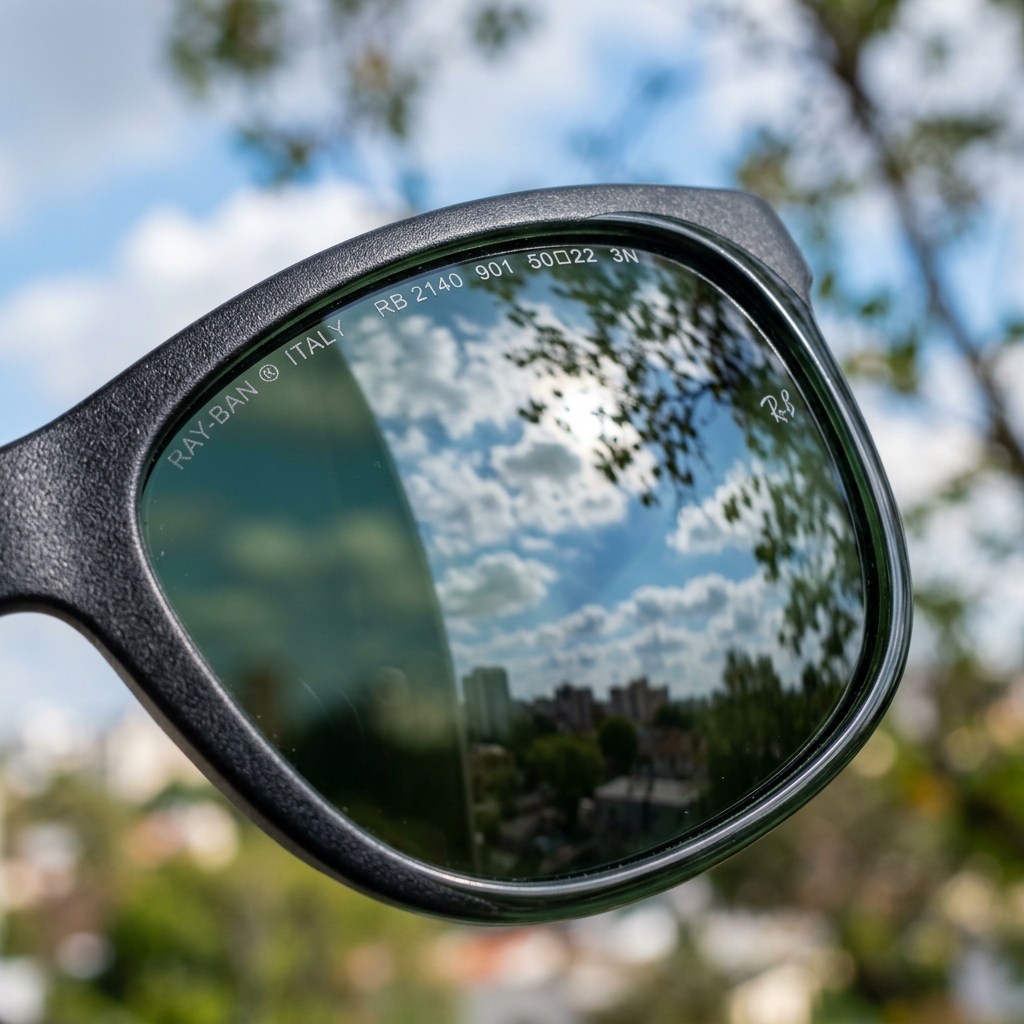
It depends on the model. Most classic Ray-Ban sunglasses, including the standard New Wayfarer, use mineral glass lenses (marked with a small “RB” etching on the left lens). However, some polarized and gradient versions use lightweight polycarbonate (plastic) lenses.
Can I get prescription lenses put into New Wayfarer frames?
Yes, the injected nylon frame is highly durable and compatible with prescription lenses. You can have them fitted by an optometrist or order them directly from Ray-Ban’s prescription service.
I love the minimalist design of this brand product! Quick question: is the leather strap/band comfortable enough for humid summer weather, or does it start to wear out and get discolored from sweat easily?