
Last updated: May 2026. This article is reviewed quarterly.
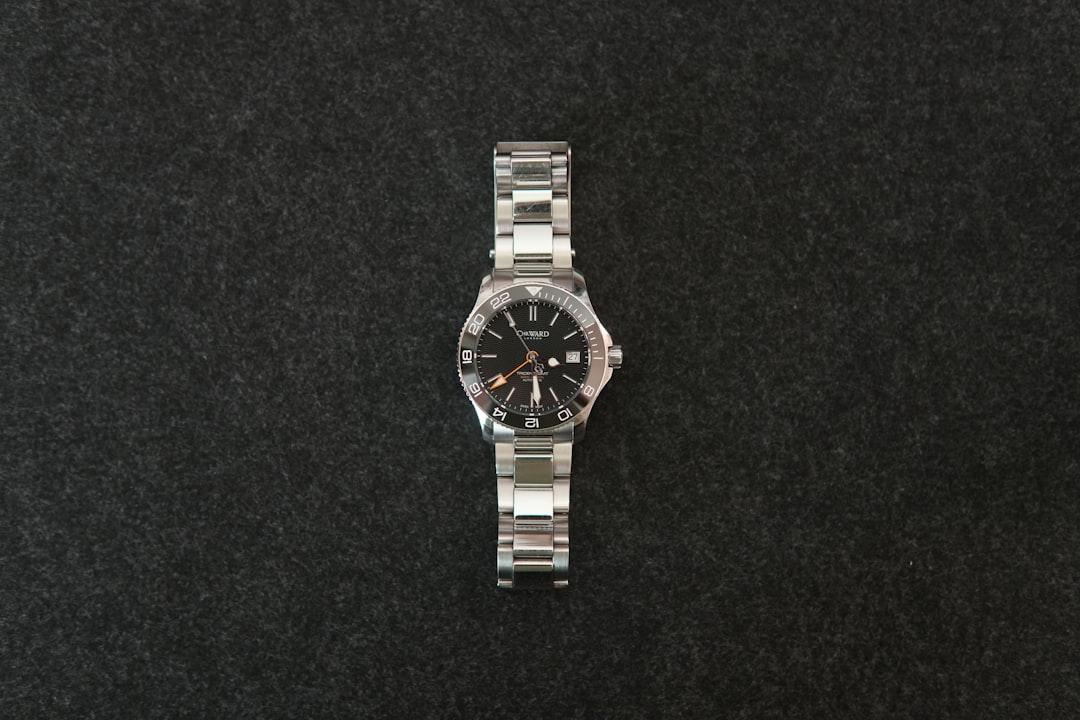
“Swiss Made” might be the most emotionally efficient phrase in watch marketing.
Two words, and suddenly people imagine precision, old workshops, snowy mountain seriousness, and a better reason for the price tag. Sometimes that instinct is justified. Sometimes it is just branding doing what branding does best.
The truth is more interesting than either extreme. “Swiss Made” is not a meaningless sticker. It is a legal designation with real criteria behind it. But it is also not a universal guarantee that a watch is automatically better than every Japanese, German, or microbrand alternative sitting nearby.
This guide is based on current Swiss Watch Industry Federation guidance and related Swiss Made ordinance summaries reviewed on May 29, 2026. The goal is not to romanticize the label or tear it down. It is to answer the buying question honestly: what does it legally mean, what does it actually signal, and when should you care?
Affiliate disclosure: If you buy through links on HotStylePro, we may earn a commission at no extra cost to you. That does not change how we judge quality, value, or whether a label earns its reputation.
The short answer
Short answer: A watch can be called Swiss Made only if it meets specific legal standards, including Swiss technical development, a Swiss movement, casing up in Switzerland, final inspection in Switzerland, and at least 60% of manufacturing costs generated in Switzerland. It matters because it signals a real production standard. It does not matter enough to make every Swiss watch automatically the best buy.
| Question | Verdict |
|—|—|
| Is Swiss Made a real legal standard? | Yes |
| Does it guarantee high quality? | Not automatically |
| Does it usually help resale and buyer confidence? | Yes |
| Does it mean every part is Swiss? | No |
| Should it affect your decision? | Yes, but not by itself |
What Swiss Made legally means now
Short answer: The label is stricter than many casual buyers realize. Current Swiss Watch Industry Federation guidance says a Swiss watch must meet several conditions, not just contain a Swiss movement.
According to the Federation’s current guide to the use of the designation “Swiss,” a watch is regarded as Swiss if:
- its technical development took place in Switzerland
- its movement is Swiss
- its movement was cased up in Switzerland
- final inspection by the manufacturer took place in Switzerland
- at least 60% of manufacturing costs are generated in Switzerland
That list matters because it kills one lazy myth and preserves one useful truth.
The lazy myth is that Swiss Made just means “assembled somewhere in Switzerland at the very end.” That is not enough. The legal definition is more demanding than that.
The useful truth is that Swiss Made still represents a protected production standard. It is not just mood-board copy.
The Federation also emphasizes that earlier requirements like a Swiss movement, casing up, and final inspection remain in place, while the stronger rule set added the 60% value threshold and the technical development requirement. That makes the modern label more robust than the older, looser version many people still have in their heads.
Why buyers still care about the label
Short answer: People care because Swiss Made still compresses several things they want into one signal: heritage, quality control, legitimacy, and resale confidence. In style terms, it carries cultural weight before the watch even leaves the box.
This is where Bourdieu’s idea of cultural capital fits perfectly. Swiss Made is not valuable only because of technical criteria. It is valuable because the market has learned to treat those criteria as socially meaningful. The label tells a story about taste, seriousness, and belonging.
That story has real consequences:
- people trust the product category more quickly
- gift buyers feel safer spending more
- resale listings become easier to interpret
- brands with Swiss Made watches start with stronger perceived legitimacy
This is why a Tissot, Longines, or Hamilton can feel easier to recommend to a first-time buyer than a completely unfamiliar microbrand, even when the microbrand specs are impressive on paper.
The label acts like a shortcut for confidence.
That shortcut is not always rational. It is still powerful.
What Swiss Made does not guarantee
Short answer: It does not guarantee that you are getting the best value, the best finishing at every price, or the most interesting design. It also does not mean every single component originated in Switzerland.
This is the part worth saying clearly because a lot of watch buying anxiety comes from using one label as a stand-in for every question.
Swiss Made does not automatically tell you:
- whether the movement is more accurate than a strong Japanese alternative
- whether the bracelet is excellent
- whether the watch is overpriced
- whether after-sales service will be painless
- whether the design is timeless or boring
It also does not mean the watch is some pure, total-nationality object. The current legal standard is built around technical development, movement status, assembly, inspection, and manufacturing cost threshold. That is meaningful. It is not the same as “every screw is Swiss and nothing else touched it.”
In plain language, Swiss Made is a credibility filter, not a final verdict.
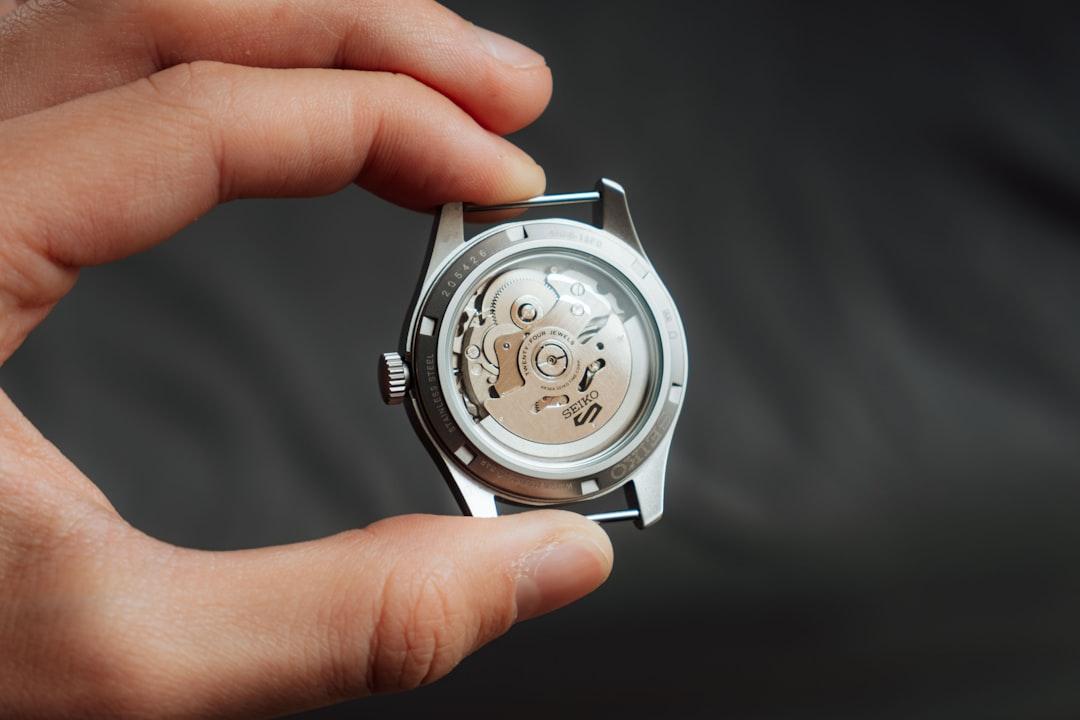
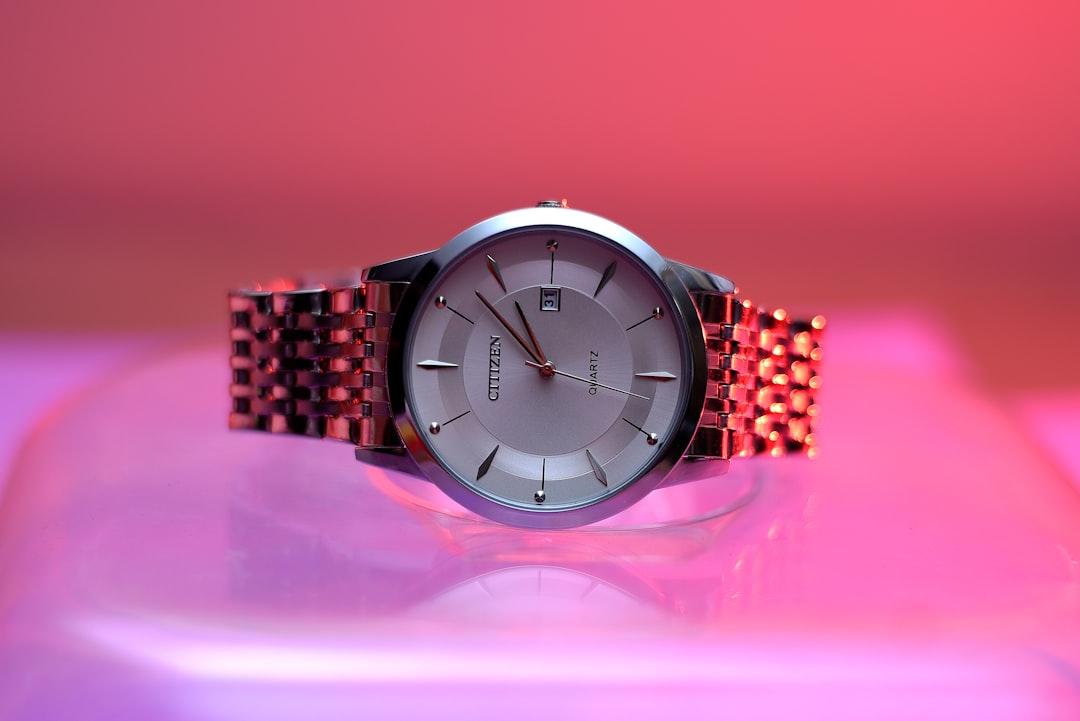
That matters a lot when people compare entry-level Swiss watches with strong Japanese watches from brands like Seiko or Citizen. In those price ranges, Swiss Made often buys you heritage and positioning as much as it buys you a measurable jump in performance.
When the label matters most
Short answer: Swiss Made matters more when you care about long-term brand legitimacy, gifting confidence, conservative styling, and eventual resale. It matters less when you mainly care about maximum spec value per dollar.
I think the label matters most in four situations:
- your first “serious” watch purchase
- a graduation, wedding, or milestone gift
- a watch you may resell later
- a classic wardrobe where understated prestige matters
This is why the label still carries real force in the sub-$1,500 to luxury-adjacent range. Buyers at that level are often not chasing pure watch-nerd efficiency. They want reassurance. They want the sense that they bought something with a stable identity and a recognized standard behind it.
That reassurance is worth money to many people.
And to be fair, it is not fake reassurance. It is just not complete reassurance.
When Swiss Made matters less than people think
Short answer: If your top priority is raw value, feature density, or modern utility, Swiss Made may matter less than case size, bracelet quality, movement serviceability, or whether you actually love the watch on your wrist.
This is the point many enthusiasts eventually reach after the first wave of label-driven buying.
They realize that a watch can be:
- Swiss Made and dull
- Swiss Made and overpriced
- not Swiss Made and excellent
- technically impressive but emotionally dead on the wrist
That is why I would never tell someone to buy the label first and the watch second.
If you are choosing between a Swiss Made watch you respect and a non-Swiss watch you genuinely prefer, the answer is not automatically Swiss. A watch gets worn because it fits your life, your taste, and your comfort level. The label cannot do that part for you.
Final verdict
Short answer: Yes, Swiss Made still matters. It is a real legal signal with meaningful production standards behind it. But it should be treated as one strong factor, not as permission to stop asking questions about value, design, comfort, or alternatives.
Here is my simplest HotStylePro buying read:
- If you want a safe, classic, confidence-building watch purchase, Swiss Made still carries weight.
- If you care deeply about resale, gifting, or brand legitimacy, it matters even more.
- If you mainly want the best technical value per dollar, the label matters less than many marketing departments hope.
That is the right middle ground.
Swiss Made is not empty. It is also not holy.
When it works best, it gives you a product with real standards plus a cultural story that still means something in 2026. When it works worst, it becomes an excuse to overpay for a watch you did not love in the first place.
The smartest move is to let the label open the conversation, not end it.
FAQ
Does Swiss Made mean the entire watch was made in Switzerland?
Short answer: No. It means the watch meets a defined legal standard that includes Swiss technical development, a Swiss movement, Swiss casing up, Swiss final inspection, and a 60% Swiss manufacturing cost threshold.
That is substantial, but it is not the same as saying every component is purely Swiss in origin.
Is a Swiss Made watch always better than a Japanese watch?
Short answer: No. Swiss Made is a meaningful signal, but not a universal win. Many Japanese watches offer superb reliability, finishing, and value, especially below luxury price points.
The better question is which watch you actually want to wear for years.
Why do people pay more for Swiss Made?
Short answer: Because the label blends real production standards with a long-standing reputation for watchmaking excellence, which boosts confidence, gifting appeal, and resale perception.
Some of that premium is technical. Some of it is cultural. Both are real.
Does Swiss Made still matter in 2026?
Short answer: Yes, but not blindly. It still matters as a legal and market signal, especially for classic watch buying. It just should not be the only reason you choose one watch over another.
The best Swiss Made watch is still the one that makes sense on your wrist, not just on a specification sheet.
Really appreciate how clearly you separated legal meaning from pure prestige here. I am looking at entry-level watches in the Tissot and Seiko range, and the Swiss Made label definitely pulls me emotionally even when the specs are close. Do you think Swiss Made matters most at the first serious watch purchase stage because it reduces regret, or would you still tell a buyer to ignore the label if the Japanese option simply offers better finishing and bracelet quality?
Hey Daniel, I do think the label matters most at that first serious-purchase stage because it gives buyers a clearer sense of legitimacy and resale comfort. That said, I would not protect the label at all costs. If the Japanese option is genuinely better finished, wears better, and suits your taste more, that is still the smarter buy. Swiss Made is a meaningful filter, just not the final answer by itself. – James