
Last updated: May 2026. This article is reviewed quarterly.
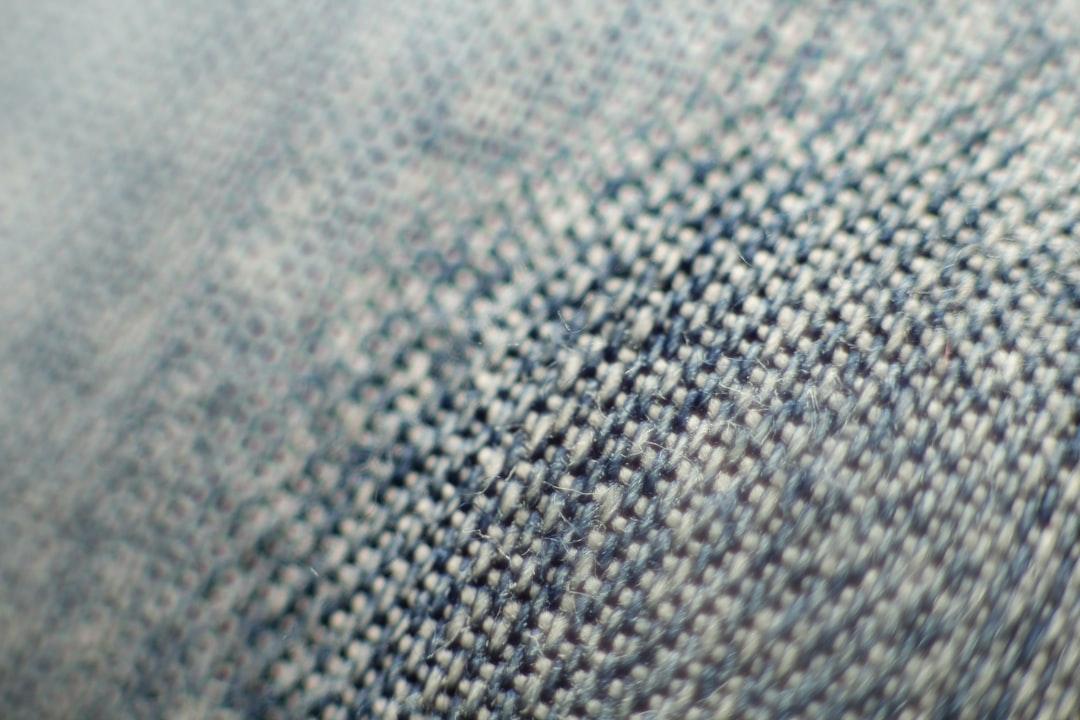
Few wardrobe disappointments are as specific as putting on a pair of jeans you loved six months ago and realizing they now look tired in exactly the wrong places.
Not beautifully broken in. Not vintage. Just weirdly pale on one thigh, dull around the knees, and suspiciously tired near the pockets.
The annoying part is that uneven fading can feel random when it usually is not. Denim fades where life happens to it: friction, pressure, washing, heat, detergent, sunlight, and whatever you keep doing on one side more than the other.
This guide is based on current Levi’s denim care guidance reviewed on May 29, 2026, plus practical denim-wear reasoning grounded in how indigo and dark washes age. The point is not to promise perfect color forever. It is to help you understand which fading is normal, which fading you speed up yourself, and what actually reduces the damage.
Affiliate disclosure: If you buy through links on HotStylePro, we may earn a commission at no extra cost to you. That does not change how we judge denim quality, care advice, or when a pair is simply not aging well.
The short answer
Short answer: Jeans fade unevenly because some areas take more friction, more washing stress, and more sun or heat than others. Dark and black denim make the difference more obvious. You cannot stop fading completely, but you can make it cleaner and slower by washing less, turning jeans inside out, using cold water, and air drying.
| Question | Verdict |
|—|—|
| Is uneven fading normal? | Usually yes |
| Biggest cause | Friction + overwashing |
| Most fade-prone jeans | Dark wash and black denim |
| Best prevention habit | Wash less and wash gently |
| Can you stop fading entirely? | No |
Uneven fading usually starts with friction, not the washing machine
Short answer: The washer gets blamed for everything, but jeans usually begin fading unevenly because your body and daily habits put repeated stress on specific zones first.
Think about where denim rubs the hardest:
- front pockets
- upper thighs
- knees
- seat
- cuffs
- the area where your phone, keys, or wallet always sit
Those spots take pressure and abrasion long before the rest of the jean does. If you cross one leg over the other all day, keep your phone in the same pocket, or bike in the same pair regularly, your jeans will show it. The color loss can become even more obvious if the fabric has a dark wash or high contrast finish.
This is why two people can own the same jean model and age it completely differently. The fade pattern often reflects movement patterns more than manufacturing drama.
In other words, your denim is basically collecting evidence.
Washing can make the pattern much worse
Short answer: Washing does not create every fade, but it can intensify the bad ones fast. The more often you wash denim harshly, the more the already-stressed areas get pushed over the edge.
Levi’s current denim care guidance is refreshingly direct on this. The brand recommends washing denim sparingly and suggests a rough guideline of around 10 wears unless the jeans are visibly dirty or starting to smell. Levi’s also recommends turning jeans inside out, using cold water, choosing a gentle cycle, and air drying.
That advice makes sense because every aggressive wash increases friction and dye loss.
Common mistakes that make uneven fading worse:
- washing jeans after every one or two wears
- throwing dark denim into hot water
- using strong detergent meant for heavy laundry loads
- overloading the machine so the jeans rub against other items
- drying them with high heat
Levi’s customer support guidance also specifically recommends cold water to reduce shrinkage and color fading, and for dark or black denim the brand is even more careful about turning jeans inside out and treating color loss seriously.
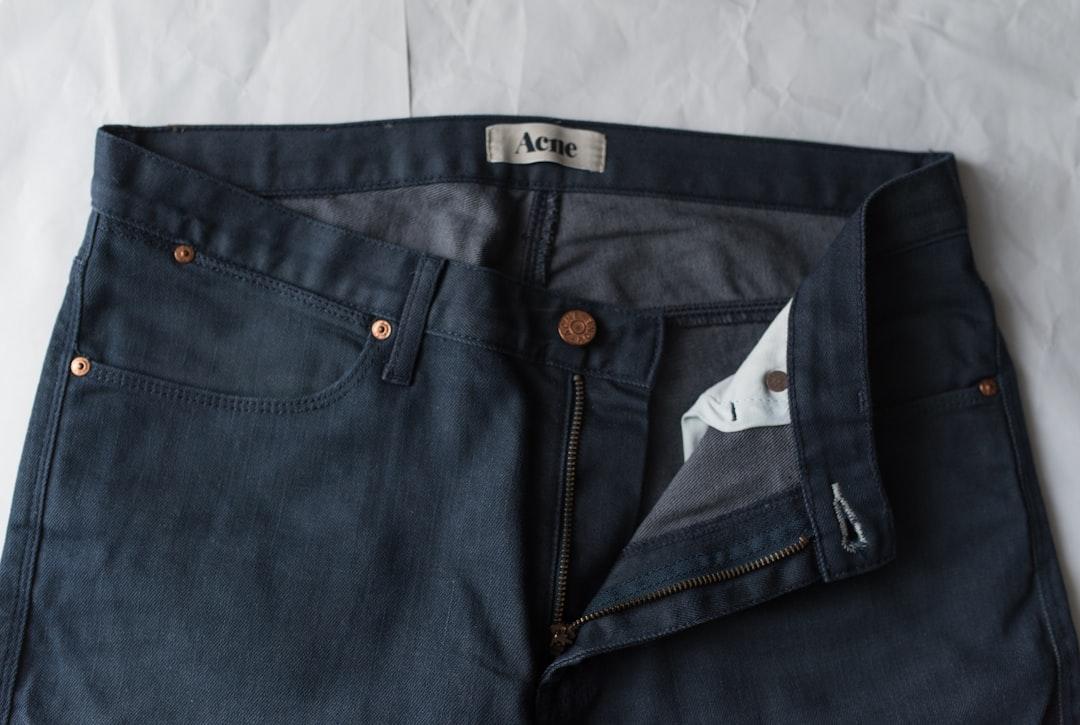
If your jeans are already fading at the thighs or knees, rough washing is like sanding the same weak spots over and over again.
Why dark jeans and black jeans show the problem more
Short answer: Dark denim looks better at the start and more dramatic when it fades badly. The higher the contrast between the original wash and the worn areas, the more obvious every mistake becomes.
This is why people complain about uneven fading more with:
- dark indigo denim
- black jeans
- heavily saturated fashion washes
- slim fits that stay under tension at the same points
Levi’s own care guidance for black denim highlights how prone these washes are to visible color loss. Once that top layer starts breaking down, patchy dullness becomes much easier to see than it would on a lighter wash jean that already looks relaxed.
That does not mean dark jeans are flawed. It means they are less forgiving.
They ask for better habits:
- fewer washes
- milder detergent
- less sun exposure while drying
- more patience
If you want pristine dark denim energy forever, you are basically asking indigo not to behave like indigo.
How to prevent your jeans from fading weirdly
Short answer: You do not need a complicated denim religion. You need a few consistent habits that reduce abrasion, dye loss, and heat stress.
The most useful prevention checklist is simple:
1. Wash less.
2. Spot clean small marks when possible instead of washing the whole pair.
3. Turn jeans inside out before washing.
4. Use cold water.
5. Choose a gentle cycle.
6. Use a mild detergent, especially for dark denim.
7. Wash with similar dark colors.
8. Air dry instead of using a hot dryer.
That is not just generic laundry advice. Levi’s says essentially the same things in its current denim care content, and for good reason. These steps reduce the combination of friction, temperature, and chemical stress that strips color faster from high-contact areas.
I would add three lifestyle rules that brands usually underemphasize:
- rotate your jeans instead of wearing the same pair hard every single day
- empty heavy pocket items when you can
- do not let dirty jeans bake in direct sunlight after washing
Those small habits matter more than people think.
What you should not try if you want better-looking fades
Short answer: The worst denim advice usually comes from people trying to outsmart basic care. If the goal is cleaner aging, extreme hacks usually hurt more than they help.
I would skip:
- frequent hot washes
- harsh stain sprays all over the same zone
- dryer-heavy “quick shrink” habits
- scrubbing one faded patch aggressively
- washing jeans with towels or rough heavy fabrics
A lot of people also think every visible fade needs to be corrected. Sometimes the better move is accepting that some wear patterns are natural and focusing on preventing the ugly kind from spreading.
Good denim is supposed to age. The problem is not fading itself. The problem is when it fades in a way that looks careless rather than lived in.
Final verdict
Short answer: Your jeans fade unevenly because your life is uneven. The trick is not preventing all wear. It is controlling how much extra damage laundry habits add to the areas already under stress.
If you want the cleanest possible fade pattern:
- wear your jeans normally
- wash them less often
- wash them more gently when you do
- protect dark washes from heat and overhandling
That is the real difference between denim that ages attractively and denim that suddenly looks tired.
My blunt HotStylePro advice is this: most people do not need better jeans first. They need better denim habits first.
Once you fix the care routine, you can finally tell whether the pair itself is good.
FAQ
Is uneven jean fading normal?
Short answer: Yes, most of the time. Jeans naturally fade more in areas that get the most friction and pressure, like thighs, knees, pockets, and cuffs.
The issue is usually degree, not the existence of fading itself.
How often should you wash jeans to reduce fading?
Short answer: Less often than many people do. Levi’s current guidance suggests washing sparingly and uses about 10 wears as a general rule unless the jeans are dirty or smelly.
That alone helps preserve color far better than constant washing.
Why do black jeans fade so unevenly?
Short answer: Because black and very dark washes show color loss faster and more visibly. Any friction, harsh detergent, or heat damage becomes easier to spot.
They look crisp at first, but they also punish sloppy care faster.
What is the best way to keep jeans from fading?
Short answer: Turn them inside out, wash them in cold water on a gentle cycle, use mild detergent, and air dry. Also wash them less and avoid unnecessary heat.
None of that is glamorous, but it works better than denim folklore.
This explained my black jeans problem almost perfectly. The right thigh and pocket area always fade first on me because my phone lives there, and I was never sure if that meant the denim was low quality or just getting stressed unevenly. Once a pair has already started showing those pale spots, is there any realistic way to make the fading look more even again, or is the main move just slowing down the damage from that point on?
Hey Rachel, once the pale spots are there, the realistic goal is usually to make the rest of the aging cleaner rather than trying to fully reverse those areas. Spot dye products can help a little on very dark denim, but the finish is rarely perfect and can look patchy if you overdo it. I usually tell people to treat it as a care reset: wash less, turn them inside out, cold water only, and stop keeping the same bulky item in that pocket if you want the fading pattern to calm down. – James