
Last updated: June 2026. This article is reviewed quarterly.
Walk down the beauty aisle of any major retailer, and you will find yourself caught between two dominant philosophies: the multi-layered glass-skin approach of Korean beauty (K-Beauty) and the active-focused, minimalist solutions of Western clinical brands.
While both promise glowing, healthy skin, they approach skin health from opposite directions. Korean skincare prioritizes long-term hydration and barrier protection, using gentle, nourishing ingredients. Western skincare focuses on quick results, utilizing high-strength active ingredients to exfoliate, peel, and target specific issues like acne or wrinkles.
We broke down what these routines actually look like in practice, the ingredients they rely on, and how to choose the right path for your skin type.
—
1. The Korean Skincare Philosophy: Preventative Hydration
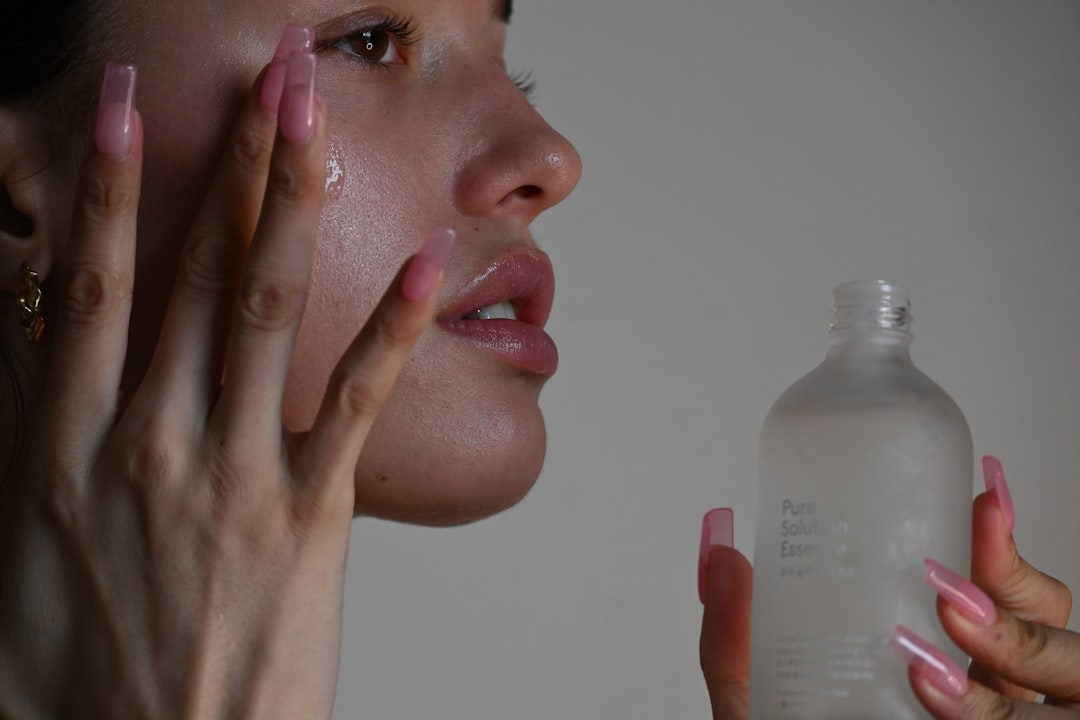
The core of K-Beauty is simple: preserve your skin barrier. Instead of waiting for skin issues to appear and treating them aggressively, Korean skincare focuses on preventing damage through continuous hydration and nourishment.
The Famous Multi-Step Routine
While the internet often hypes the “10-step routine,” daily practice is usually simpler, focusing on layering lightweight hydrating products.
1. Double Cleanse: An oil cleanser to break down makeup and sebum, followed by a water-based foaming cleanser.
2. Hydrating Toners & Essences: Applied in multiple thin layers to prep the skin to absorb subsequent products.
3. Targeted Serums & Ampoules: Gentle formulations focusing on soothing and brightening.
4. Moisturizer & Sunscreen: Heavy emphasis on daily SPF protection (typically using advanced organic filters).
Key Ingredients
Korean products rely heavily on natural, soothing ingredients like Centella Asiatica (Cica), Snail Mucin, Mugwort, and Green Tea. These ingredients reduce inflammation, calm redness, and provide deep hydration without irritating the skin.
—
2. The Western Skincare Philosophy: Target & Treat
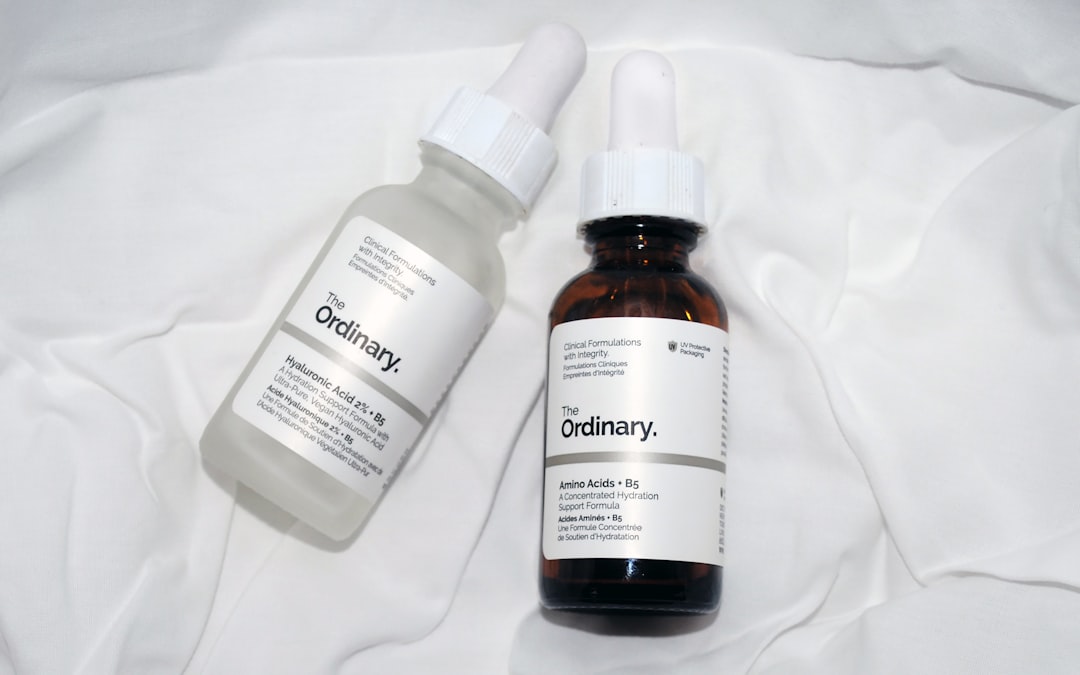
Western skincare takes a clinical, problem-solving approach. If you have acne, fine lines, or hyperpigmentation, the Western method is to target it directly with high-strength, scientifically proven chemical active ingredients.
The Treatment-First Routine
Western routines are generally shorter, relying on powerful single-active serums rather than layering multiple hydrating steps.
1. Cleanse: A simple foaming or gel cleanser, often containing salicylic acid or glycolic acid for chemical exfoliation.
2. Targeted Treatment: High-strength single-active serums (like 1% Retinol or 10% Vitamin C).
3. Moisturize: A barrier cream to offset the irritation caused by the active ingredients.
Key Ingredients
Western brands rely on dermatologist-favorite chemical exfoliants and cell-turnover boosters: Retinol (for aging), AHA/BHA (glycolic and salicylic acids for peeling and clearing pores), and L-Ascorbic Acid (Vitamin C for brightening).
—
Comparison Table
To help you understand the practical differences, here is how the two approaches stack up side-by-side:
| Dimension | Korean Skincare | Western Skincare |
|—|—|—|
| Core Goal | Hydration, barrier protection, prevention | Exfoliation, cell turnover, correction |
| Method | Layering multiple gentle, hydrating steps | Minimalist steps with high-strength actives |
| Star Ingredients | Snail Mucin, Centella (Cica), Propolis | Retinol, Glycolic Acid, Vitamin C |
| SPF Technology | Lightweight, elegant organic filters | Often heavier mineral or chemical filters |
—
The Insider Verdict: Which Philosophy Wins?
You do not have to pick a side. In fact, the most effective modern skincare routines combine elements of both.
* Lean toward Korean Skincare if you have dry, sensitive, or easily irritated skin, or suffer from conditions like rosacea. It is also the superior choice for daily sunscreen use, as Korean SPF formulations are notoriously lightweight and layer beautifully under makeup.
* Lean toward Western Skincare if you want to combat signs of aging, have severe acne, or need to fade dark spots quickly. The clinical strength of Western retinoids and chemical peels remains unmatched for rapid cellular turnover.
For the ultimate routine, use a Western active ingredient (like Retinol) at night to repair the skin, and layer soothing, hydrating Korean products (like Centella or Snail Mucin) during the day to keep your skin barrier calm and hydrated.
Which skincare philosophy do you currently follow? Have you tried combining K-Beauty hydration with Western actives? Share your routine in the comments below.
I have sensitive, acne-prone skin. Should I start with a Korean double cleansing routine, or is that too harsh for daily use?
Hi Bridget! Double cleansing is actually incredibly gentle if you use the right products. The oil cleanser breaks down makeup and sebum without stripping your skin, and a gentle water-based cleanser removes any remaining residue. Just look for fragrance-free options!